AquaLinked Store Bookstore & Water Technology Shop

Sand / Media Filter — Clean Water Protection for Drip Irrigation

View the book, technical guide, training material, or water technology item in detail.
Sand / Media Filter — Clean Water Protection for Drip Irrigation

Move the mouse over the product image. A zoom preview will appear beside the product. Click the image to open it full size.

water-technology

Sand / Media Filter — Clean Water Protection for Drip Irrigation

Category: Drip Irrigation Components

Price on request

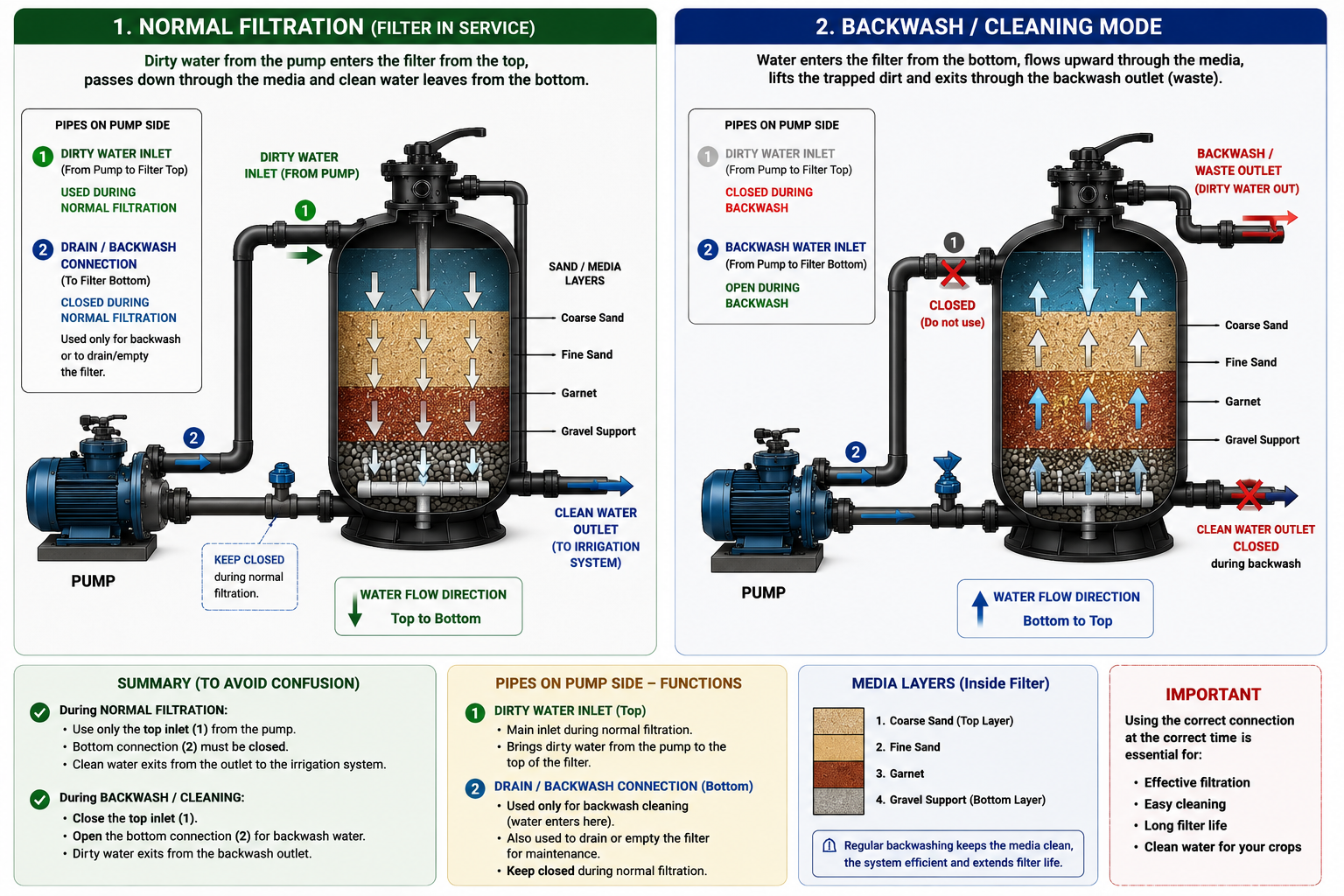
A sand / media filter removes sand, silt, algae, organic matter, and suspended particles from irrigation water. It protects drip emitters, valves, pressure regulators, and fertigation equipment from clogging and damage. During normal filtration, dirty water passes through the media bed and clean water exits to the irrigation system. During backwash, water flows upward through the media to remove trapped dirt through the waste outlet.

Product Description

A sand / media filter is an irrigation filtration unit used to remove sand, silt, algae, organic matter, and suspended particles from water before it enters the drip irrigation system. It is especially important when the water source is a river, pond, canal, reservoir, open tank, or any source containing organic matter and fine particles.

In drip irrigation, clean water is very important because emitters and drip laterals have small openings that can easily clog. A sand / media filter protects the system by trapping dirt inside layers of filtration media such as coarse sand, fine sand, garnet, gravel, or other graded materials. Clean water then exits the filter and flows to the mainline, valves, pressure regulator, fertigation unit, and drip irrigation zones.

During normal filtration, dirty water enters the filter and passes downward through the media bed. As the water moves through the layers, suspended particles are trapped. Clean water is collected at the bottom by the underdrain or lateral collector and then sent to the irrigation system.

When the filter becomes dirty, the pressure difference across the filter increases. The filter must then be cleaned by backwashing. During backwash mode, water flows upward through the media bed, lifting and loosening the trapped dirt. The dirty backwash water is discharged through the waste outlet. This restores the filter’s performance and keeps the irrigation system protected.

Availability, Delivery and Support

Stock Status in_stock

For special delivery, bulk purchase, technical support, or supplier confirmation, visitors can send an inquiry before purchase.

Ask About Availability

Customer Reviews

Customer Reviews

Reviews are published after admin approval.
0.0 / 5
☆☆☆☆☆
0 approved reviews
Direct link

Technical Material Information

Manufacturer / Producer
Produced by irrigation filtration, pump-system, and water-treatment equipment manufacturers. Common producers include irrigation filter manufacturers that produce plastic, fiberglass, steel, or coated-metal media filters for agricultural irrigation. The exact producer depends on filter size, tank material, flow rate, pressure rating, valve type, and filtration requirement.
Manufacturer Note
Best Used With:
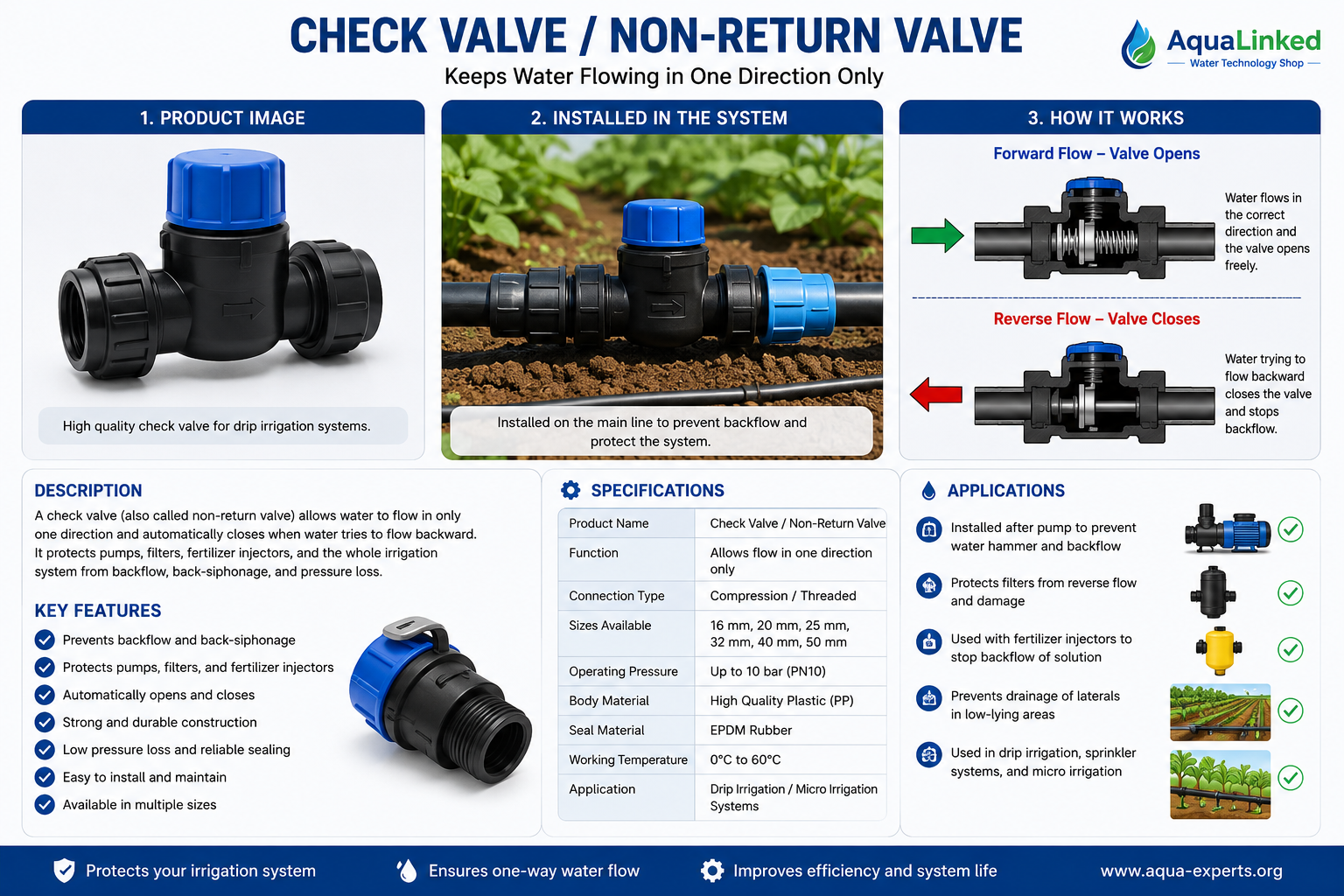
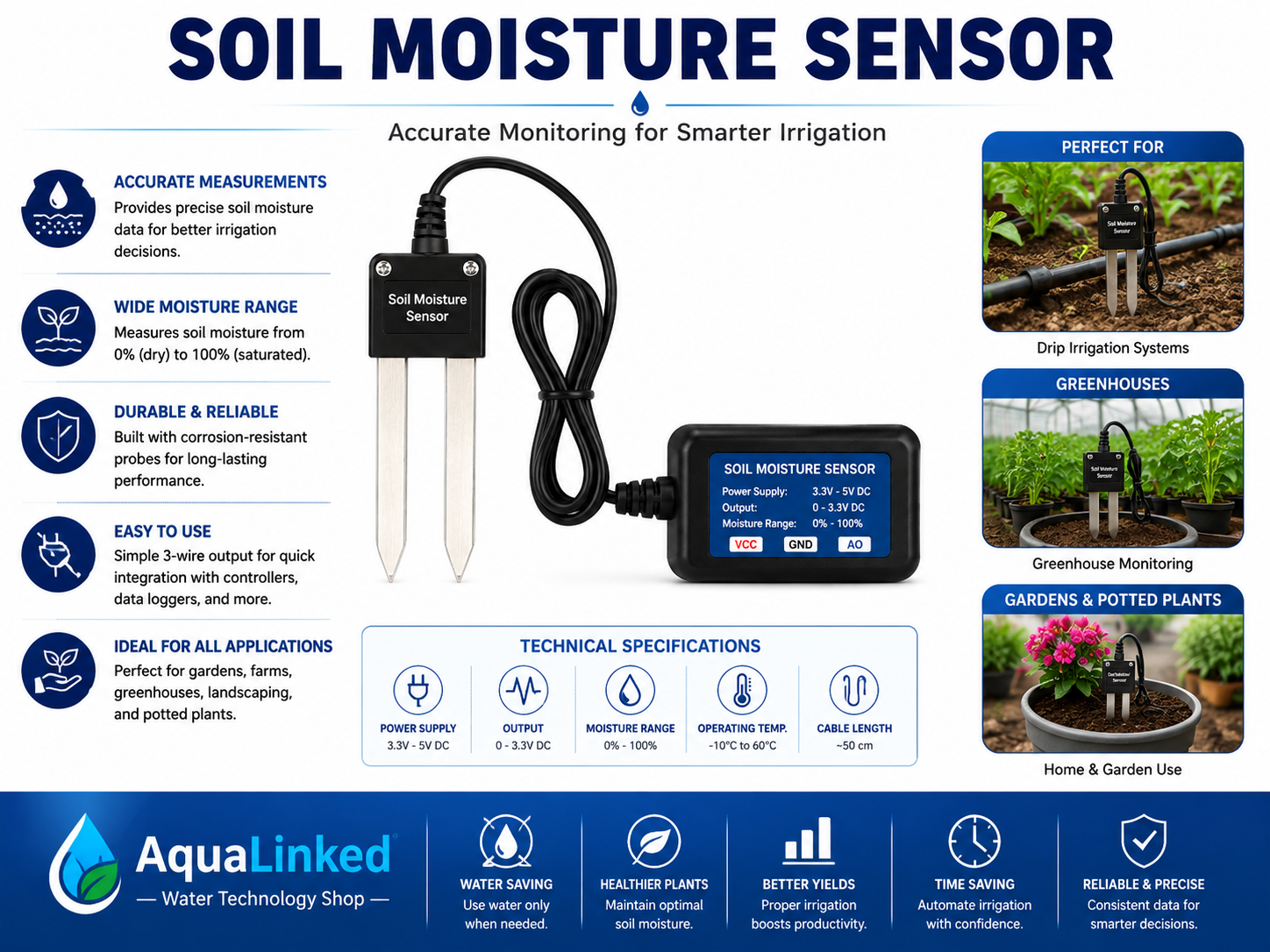
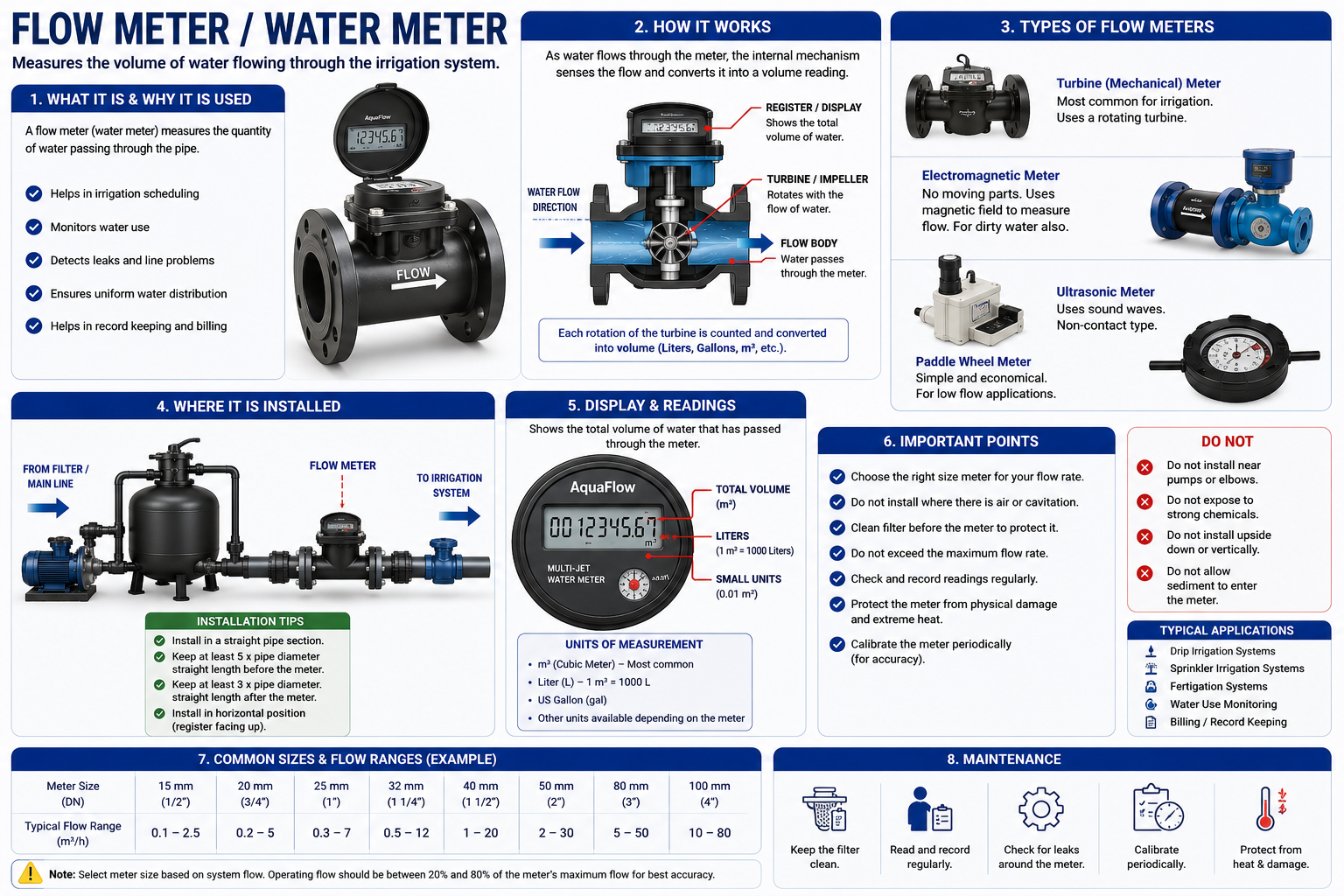
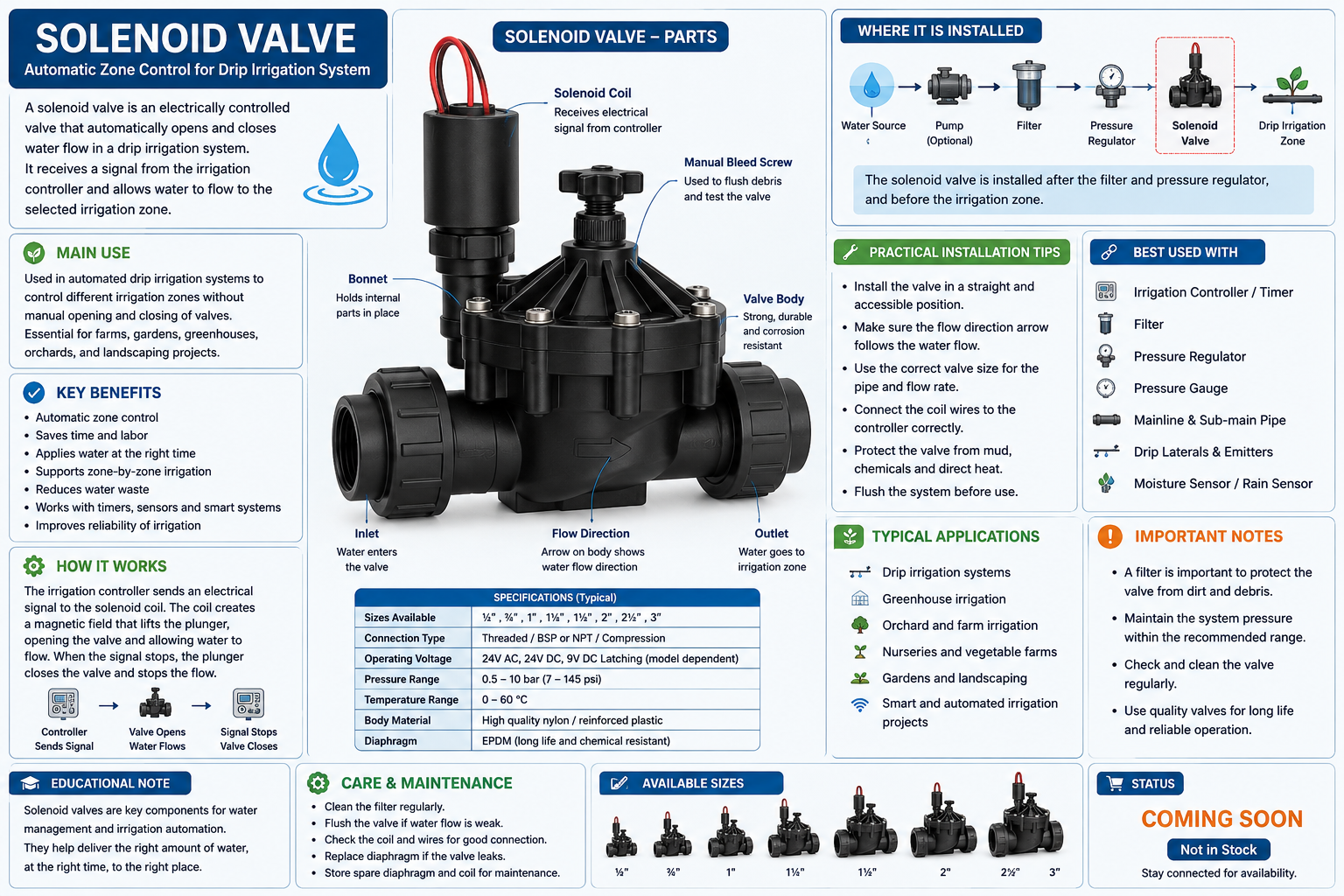
Pump, pressure gauge, check valve, sand / media filter, screen filter or disc filter, pressure regulator, fertigation unit, mainline pipe, sub-main pipe, solenoid valves, drip laterals, and emitters.

Pressure Gauge Recommendation:
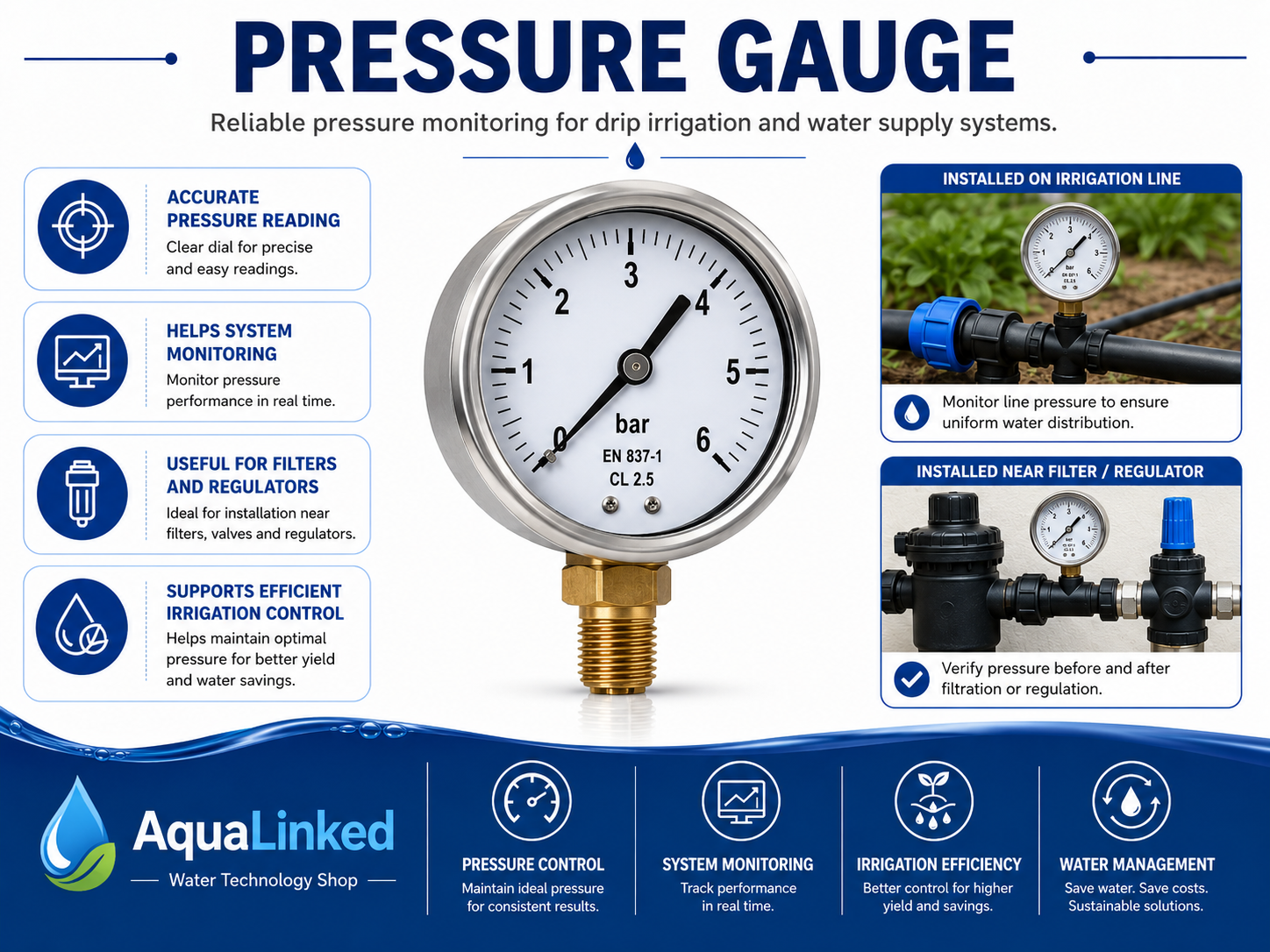
Install pressure gauges before and after the filter. When the pressure difference becomes too high, it means the filter is becoming clogged and needs backwashing. A common practice is to backwash when the pressure drop increases significantly above normal operating conditions.

Practical Installation Note:
Install the filter on a stable foundation near the pump or filtration station. Make sure the inlet, outlet, drain, and backwash connections are clearly identified. Provide enough space around the filter for maintenance, media replacement, valve operation, and backwashing. The filter should be installed according to the flow direction shown by the manufacturer.

Maintenance:

Check inlet and outlet pressure regularly
Backwash when pressure drop becomes high
Inspect media condition periodically
Replace or refill media when needed
Clean drain and backwash outlets
Check valves and seals for leakage
Protect the filter from physical damage and excessive pressure

Important Note:
A sand / media filter is not only a container; it is part of a complete filtration system. Correct valve operation during normal filtration and backwash is essential. Wrong connection or wrong valve operation can reduce filtration quality, send dirty water to the field, or damage the system.
Material
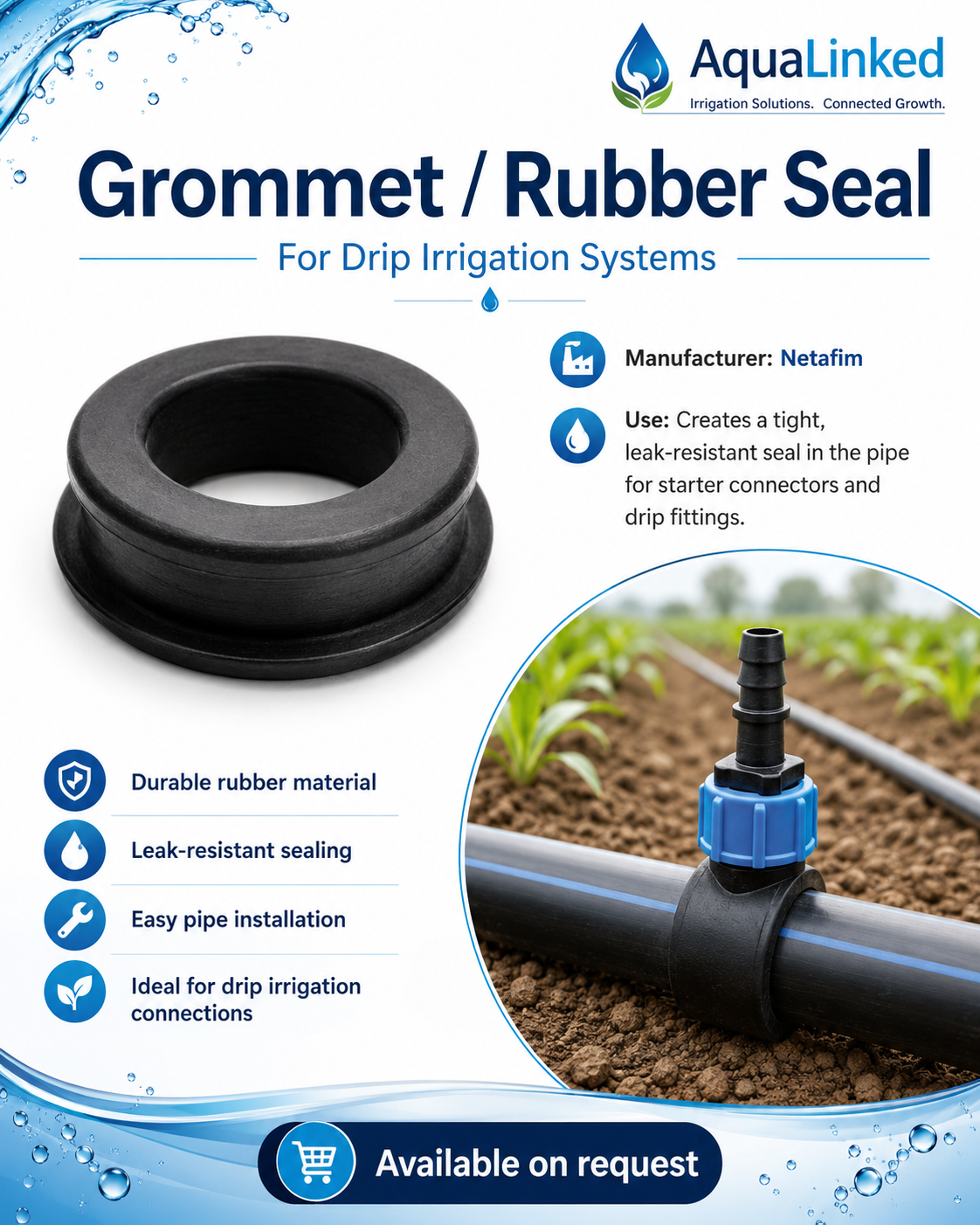
Filter tanks may be made from fiberglass, reinforced plastic, coated steel, stainless steel, or corrosion-resistant metal. Internal filtration media may include coarse sand, fine sand, garnet, gravel support, or other graded filtration media. Seals and gaskets may be EPDM or rubber depending on the model.
Pipe / Tape Diameter
Available in different tank sizes depending on system flow rate. Common irrigation media filters may range from small farm units to large commercial filter tanks. The correct size should be selected according to flow rate, water quality, filtration area, operating pressure, and required backwash flow.
Connection Type
Threaded, union, compression, flange, or manifold connection depending on filter size and irrigation system design. Larger filters commonly use flanged or manifold connections.
Working Pressure
Typical working pressure may range from about 2 to 8 bar, depending on filter model and manufacturer. Some models may have higher or lower pressure ratings. The filter must not be used above its rated pressure.
Flow Rate
Flow rate depends on filter size, media type, filtration surface area, and manufacturer specification. The selected filter must be large enough for the irrigation system flow while keeping pressure loss within an acceptable range.
Application
How It Works — Normal Filtration Mode:
Dirty water from the pump enters the filter through the inlet. The water flows downward through the media layers. Dirt and particles are trapped in the media bed. Clean water is collected at the bottom and exits through the outlet to the irrigation system.

How It Works — Backwash / Cleaning Mode:
During backwash, water is directed from the bottom upward through the filter media. This upward flow expands and loosens the media bed, lifting trapped dirt and particles. The dirty backwash water exits through the drain or waste outlet. Backwashing should continue until the waste water becomes clear.

Where It Is Installed:
The sand / media filter is usually installed after the pump and before the main irrigation control assembly. It is commonly placed before the main valve, pressure regulator, fertigation unit, solenoid valves, and drip irrigation zones. In many systems, a screen or disc filter may also be installed after the media filter for extra protection.

Important Connection Note:
The lower connection on some media filters is not a second normal inlet. It is commonly used for draining, backwashing, or cleaning, depending on the filter design. During normal filtration, water should enter through the correct inlet and exit through the clean-water outlet. During backwash, the correct valves must be opened and closed according to the manufacturer’s instructions.
Product Group / Sub-Group
Filters for Drip Irrigation
Bookstore Update

View Updates