AquaLinked Store Bookstore & Water Technology Shop

Drip Tape Valve Connector — Flow Control Connector for Drip Tape Irrigation

View the book, technical guide, training material, or water technology item in detail.
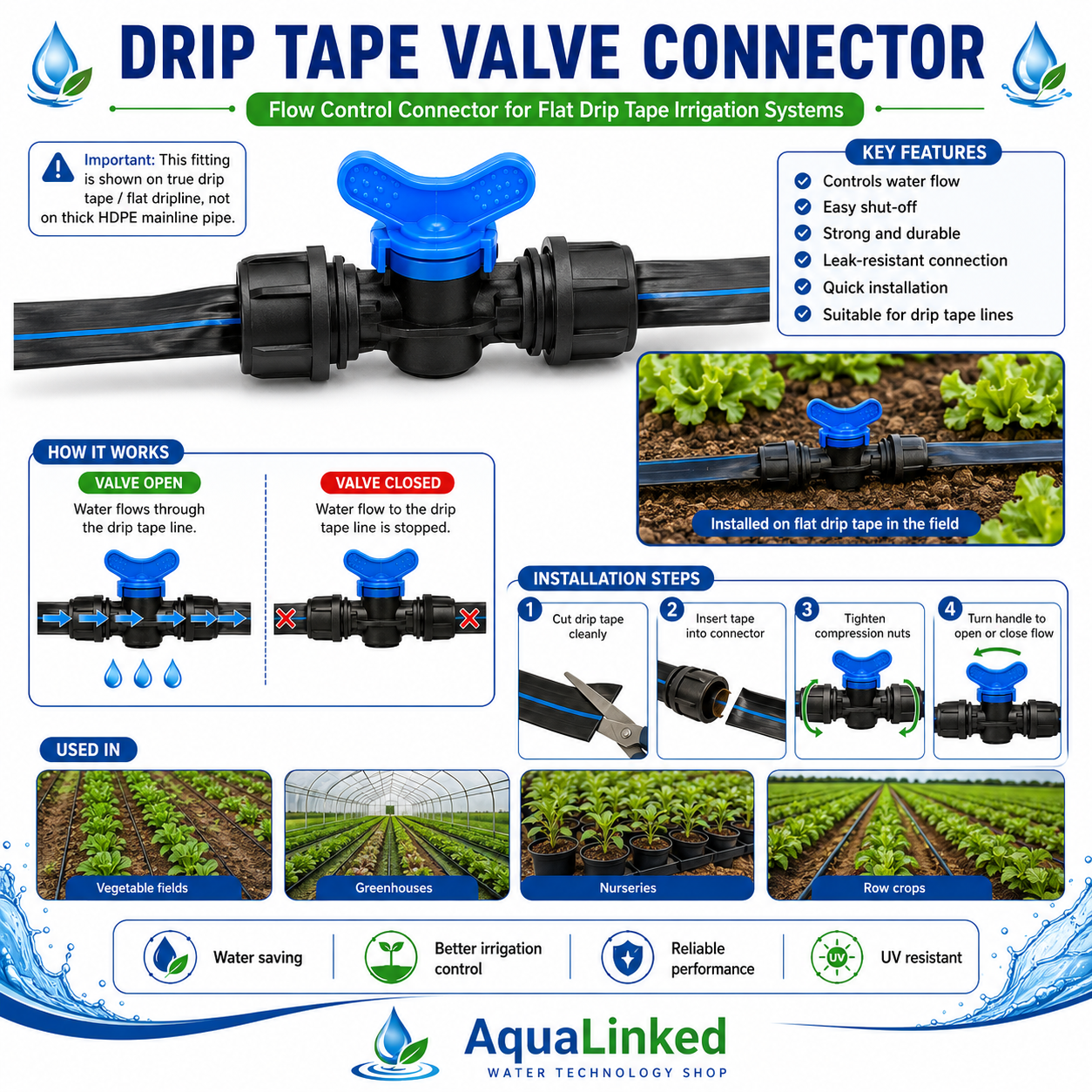
Drip Tape Valve Connector — Flow Control Connector for Drip Tape Irrigation

Move the mouse over the product image. A zoom preview will appear beside the product. Click the image to open it full size.

water-technology

Drip Tape Valve Connector — Flow Control Connector for Drip Tape Irrigation

Category: Drip Irrigation Components

Price on request

A drip tape valve connector is used to connect drip tape and control water flow to individual irrigation lines. It allows one drip tape row to be opened, closed, or isolated without stopping the whole system. It is useful for water saving, maintenance, row-by-row irrigation control, and leak-resistant drip tape installation.

Coming soon This material is currently not in stock. Please visit us again later, or send an inquiry if you would like to be notified when it becomes available.

Product Description

A drip tape valve connector is a small irrigation fitting used to connect drip tape to a mainline, sub-main line, or another drip tape section while also allowing the water flow to be opened, closed, or controlled manually. It combines two functions in one component: connection and flow control.

In a drip irrigation system, different crop rows or irrigation zones may not always need the same amount of water at the same time. A drip tape valve connector allows the farmer or technician to shut off one drip tape line without stopping the whole system. This makes it very useful for field irrigation, vegetable farms, greenhouses, nurseries, gardens, and row-crop systems.

The connector is installed between the water supply line and the drip tape. When the valve handle is open, water flows through the connector into the drip tape and continues to the emitters. When the handle is closed, water flow to that drip tape line stops. This helps save water, control irrigation zone by zone, isolate damaged lines, and make maintenance easier.

Availability, Delivery and Support

Stock Status coming_soon

For special delivery, bulk purchase, technical support, or supplier confirmation, visitors can send an inquiry before purchase.

Ask About Availability

Customer Reviews

Customer Reviews

Reviews are published after admin approval.
0.0 / 5
☆☆☆☆☆
0 approved reviews
Direct link

Technical Material Information

Manufacturer / Producer
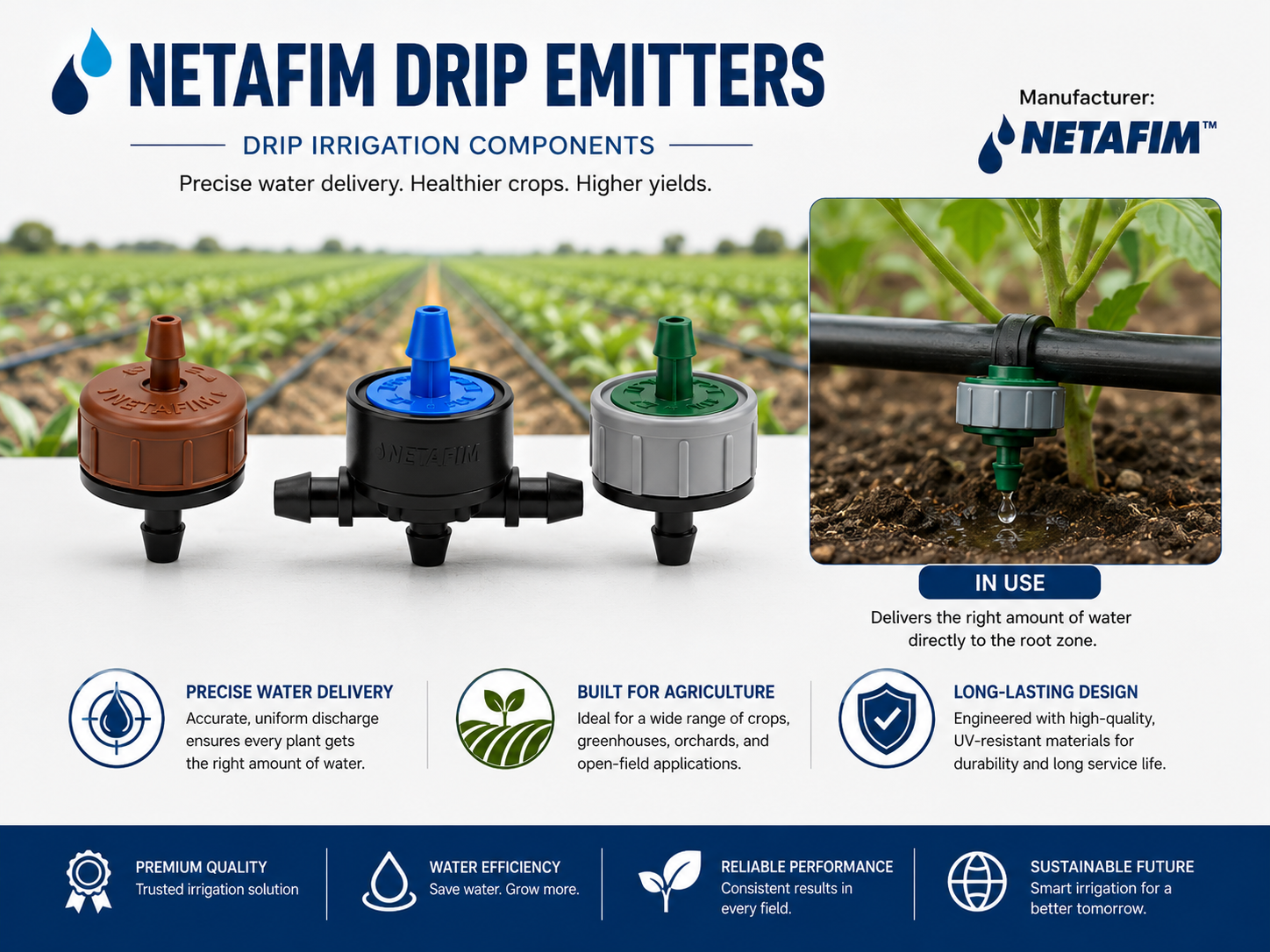
Produced by drip irrigation fitting and water-control manufacturers. Common producers include irrigation companies such as Netafim and other drip irrigation suppliers. The exact producer depends on drip tape size, connection type, valve design, pressure rating, and manufacturer specification.
Manufacturer Note
How It Works:
The drip tape is inserted into the connector and tightened using the compression nut or locking ring. The valve handle controls the passage of water. When the handle is aligned with the flow direction, water passes through. When the handle is turned across the flow direction, the valve closes and stops water from entering the drip tape.

Where It Is Installed:
Installed at the beginning of a drip tape line, usually where the drip tape connects to a mainline, sub-main, manifold, or header pipe. It can also be used between two drip tape sections depending on the system layout.

Best Used With:
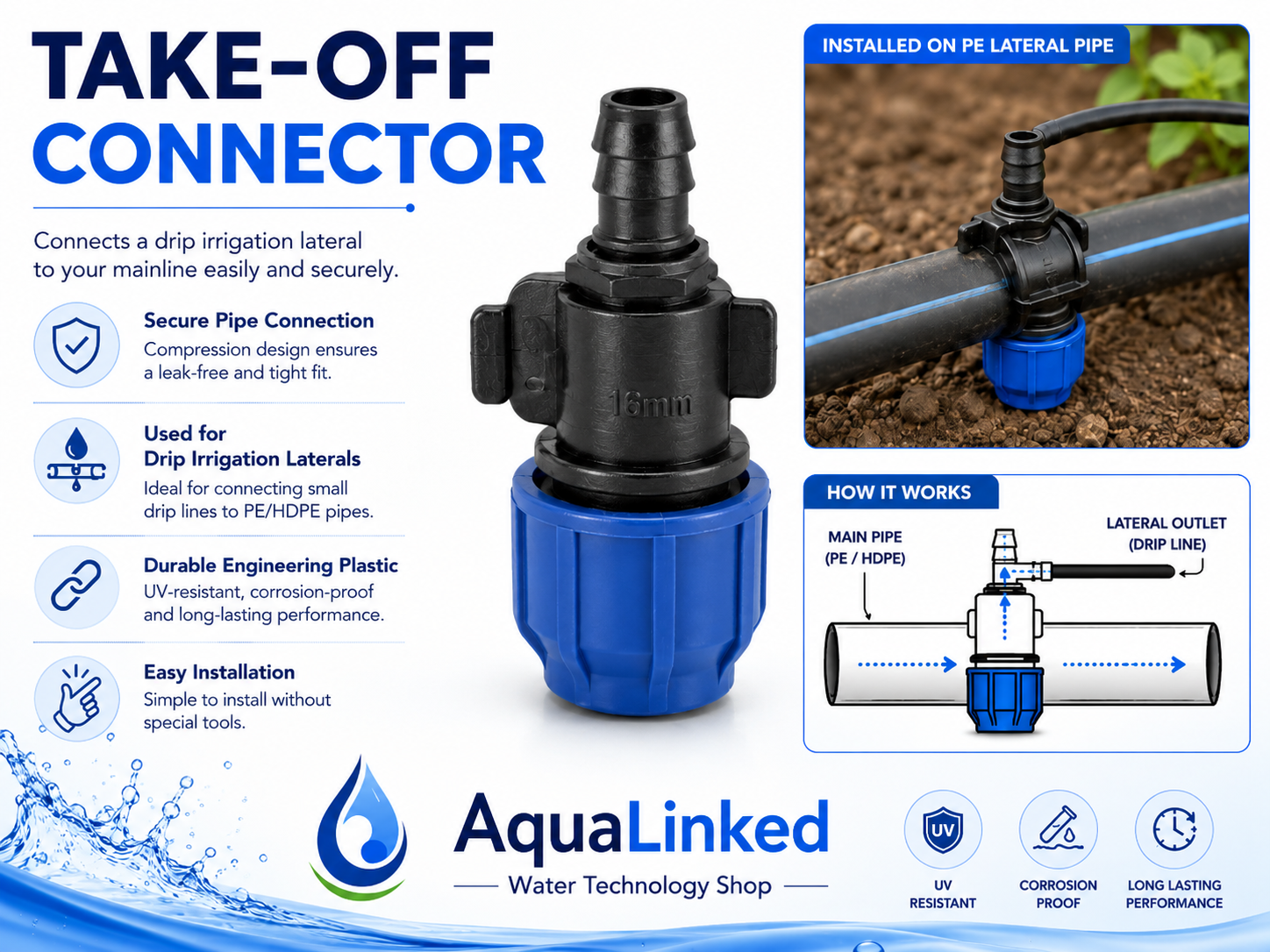
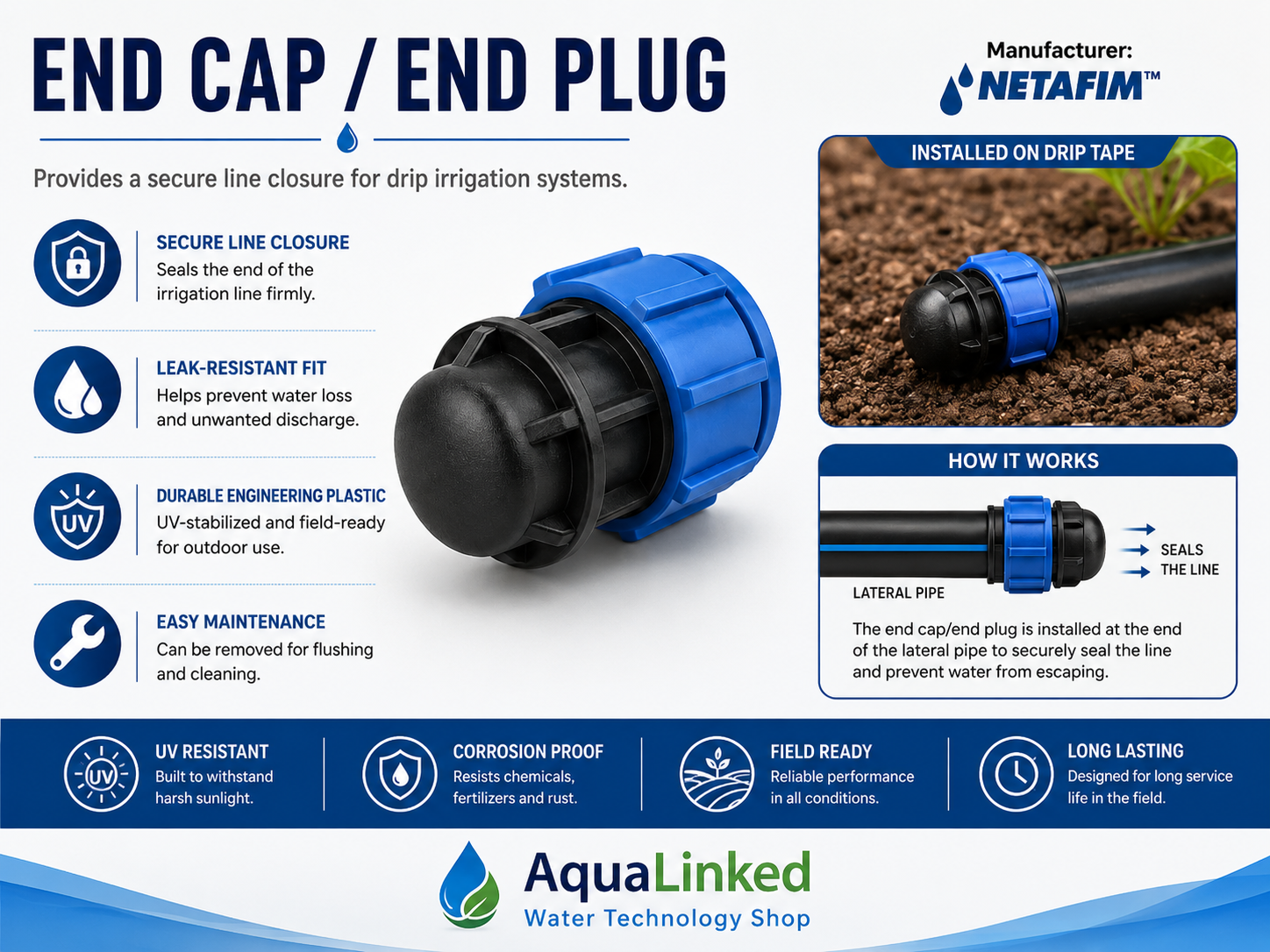
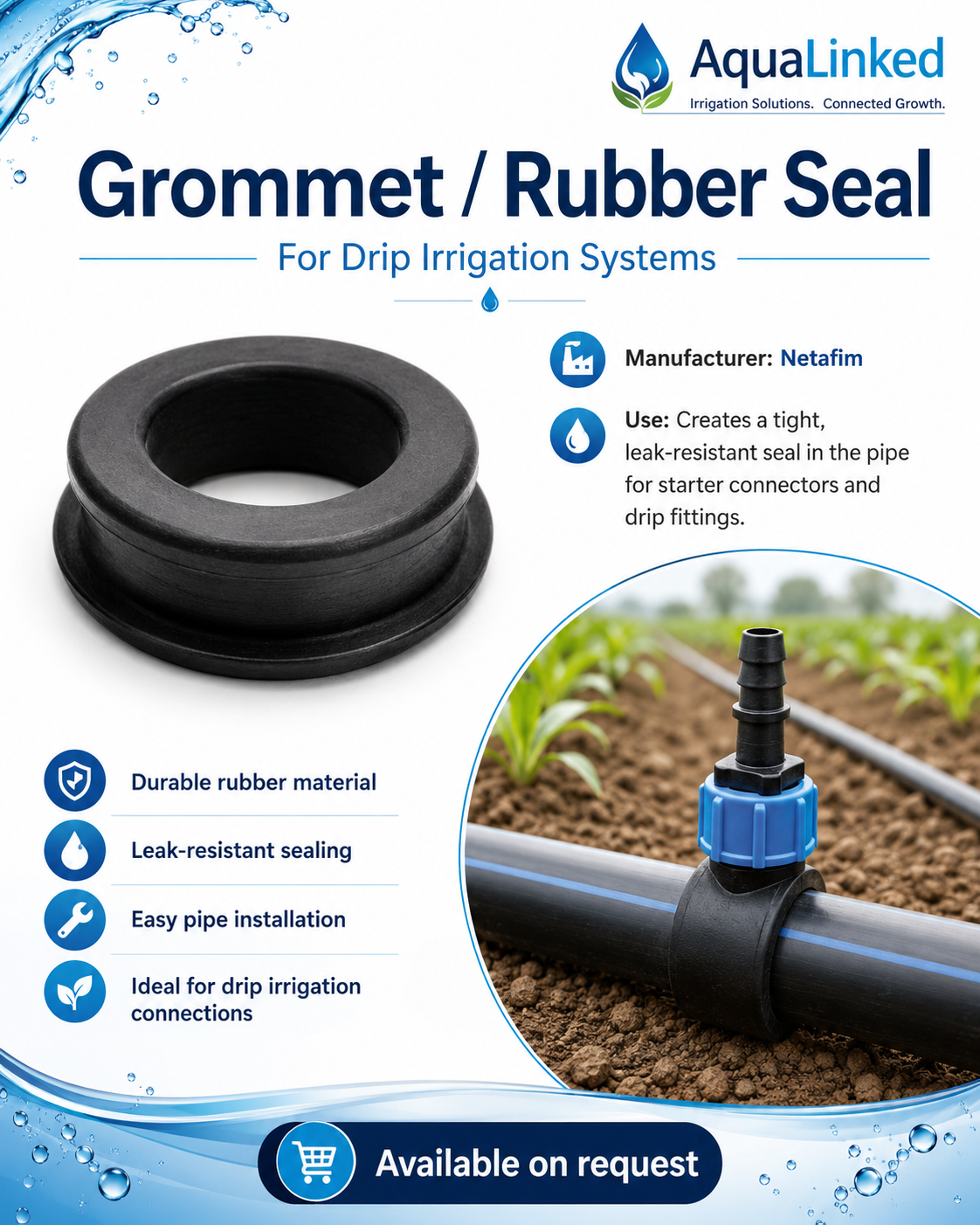
Drip tape, PE mainline, sub-main pipe, header pipe, take-off connector, rubber grommet, filter, pressure regulator, flush valve, end cap, and drip irrigation fittings.

Practical Installation Steps:

Cut the drip tape square and clean the end.
Insert the drip tape fully into the connector.
Tighten the compression nut or locking ring by hand.
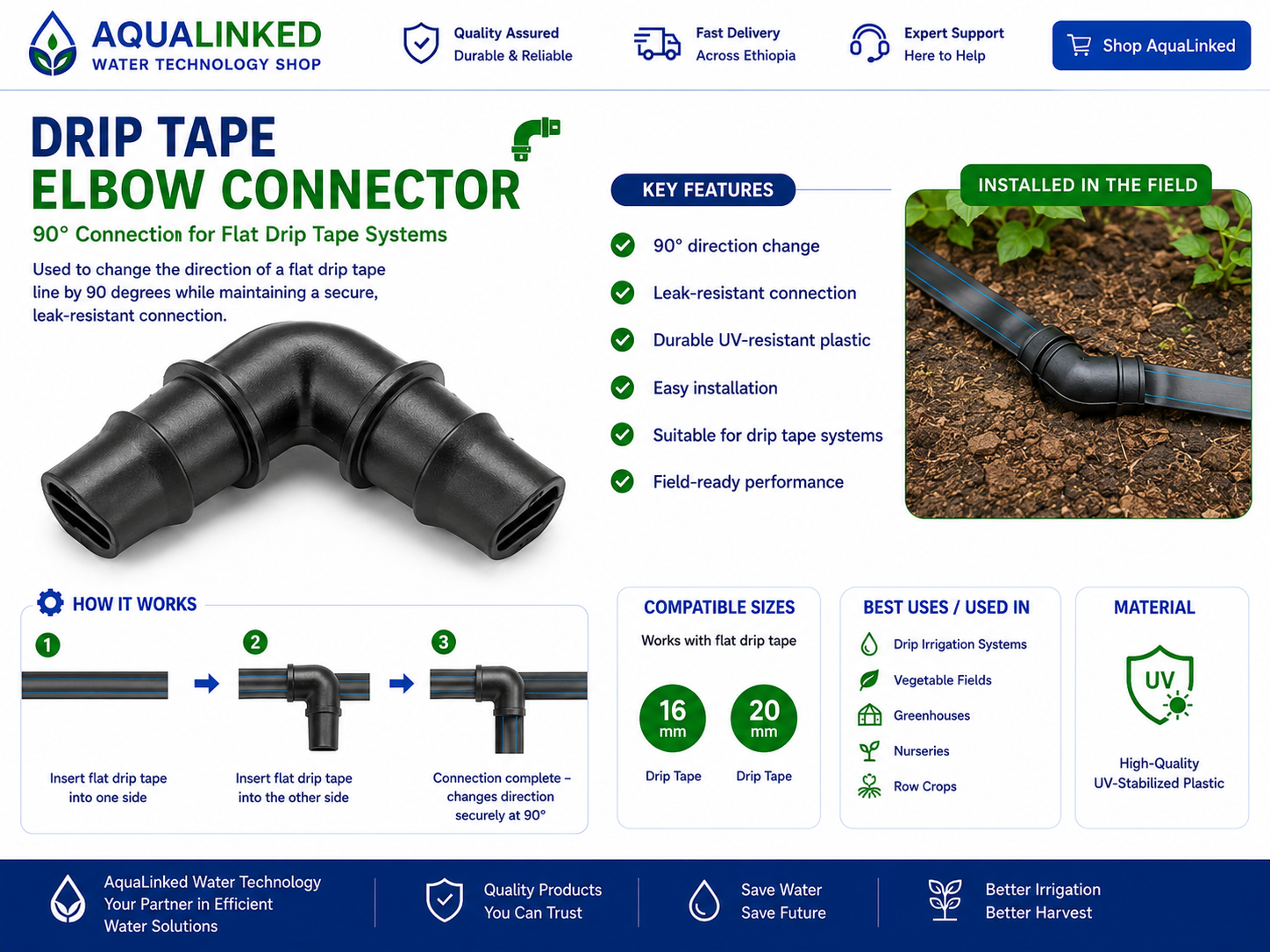
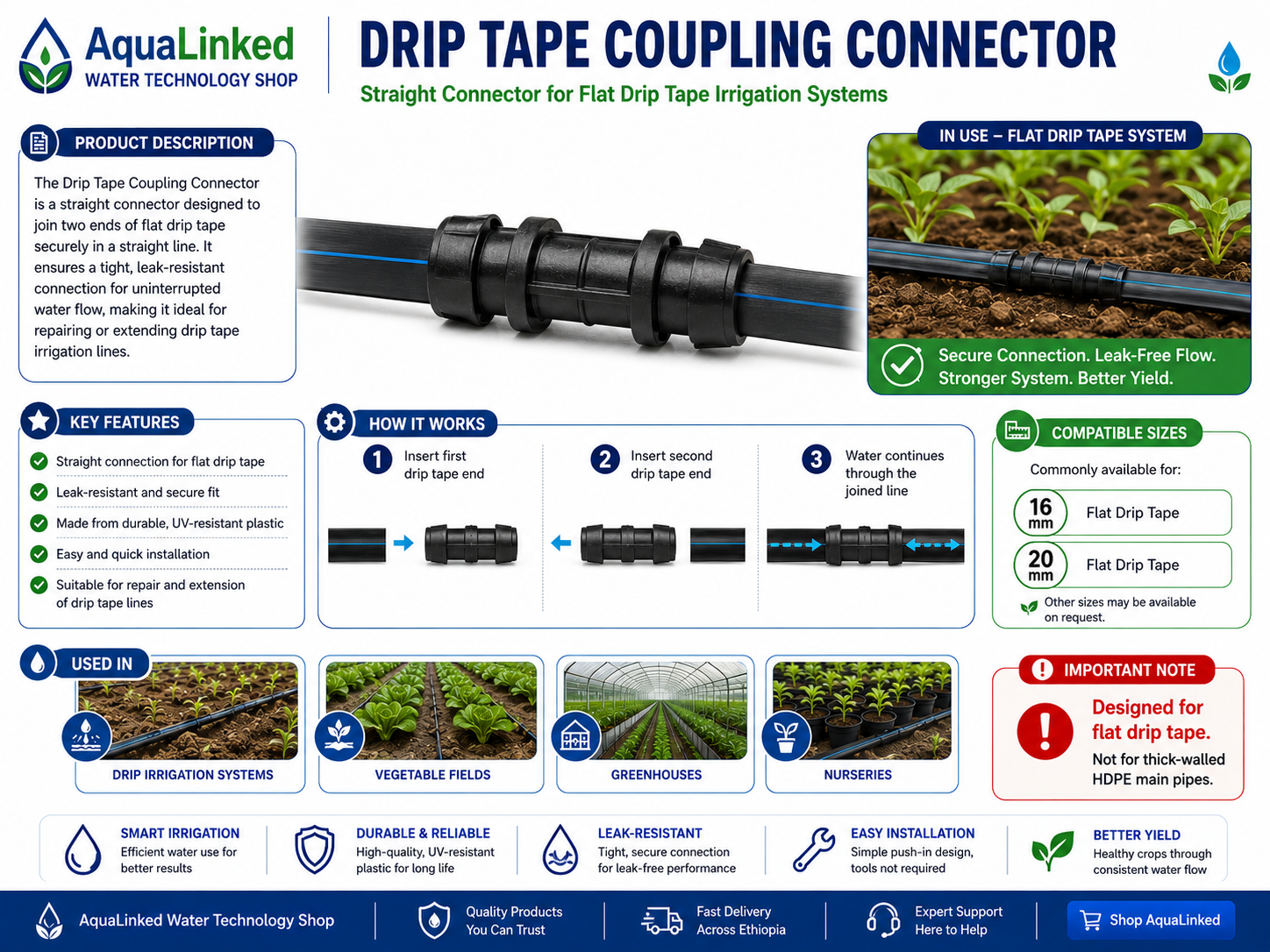
Connect the other side to the mainline, sub-main, or another drip tape section.
Open the valve and test for leakage.
Close the valve when the line is not needed or during maintenance.

Important Installation Note:
Do not force the connector with tools unless the manufacturer allows it. Hand tightening is usually enough. Make sure the drip tape is fully inserted before tightening. If the tape is not inserted properly, leakage may occur.

Maintenance:
Check the connector regularly for leakage, cracking, loose nuts, or damaged seals. Open and close the valve occasionally to prevent sticking. Flush the drip tape line when needed to remove sediment.
Material
High-quality plastic, polypropylene, polyethylene, or UV-stabilized engineering plastic. Some models may include rubber seals or internal valve parts depending on manufacturer design.
Pipe / Tape Diameter
Common sizes are made for drip tapes such as 16 mm, 17 mm, 20 mm, or other tape sizes depending on the product model. The correct connector must match the drip tape diameter and wall thickness.
Connection Type
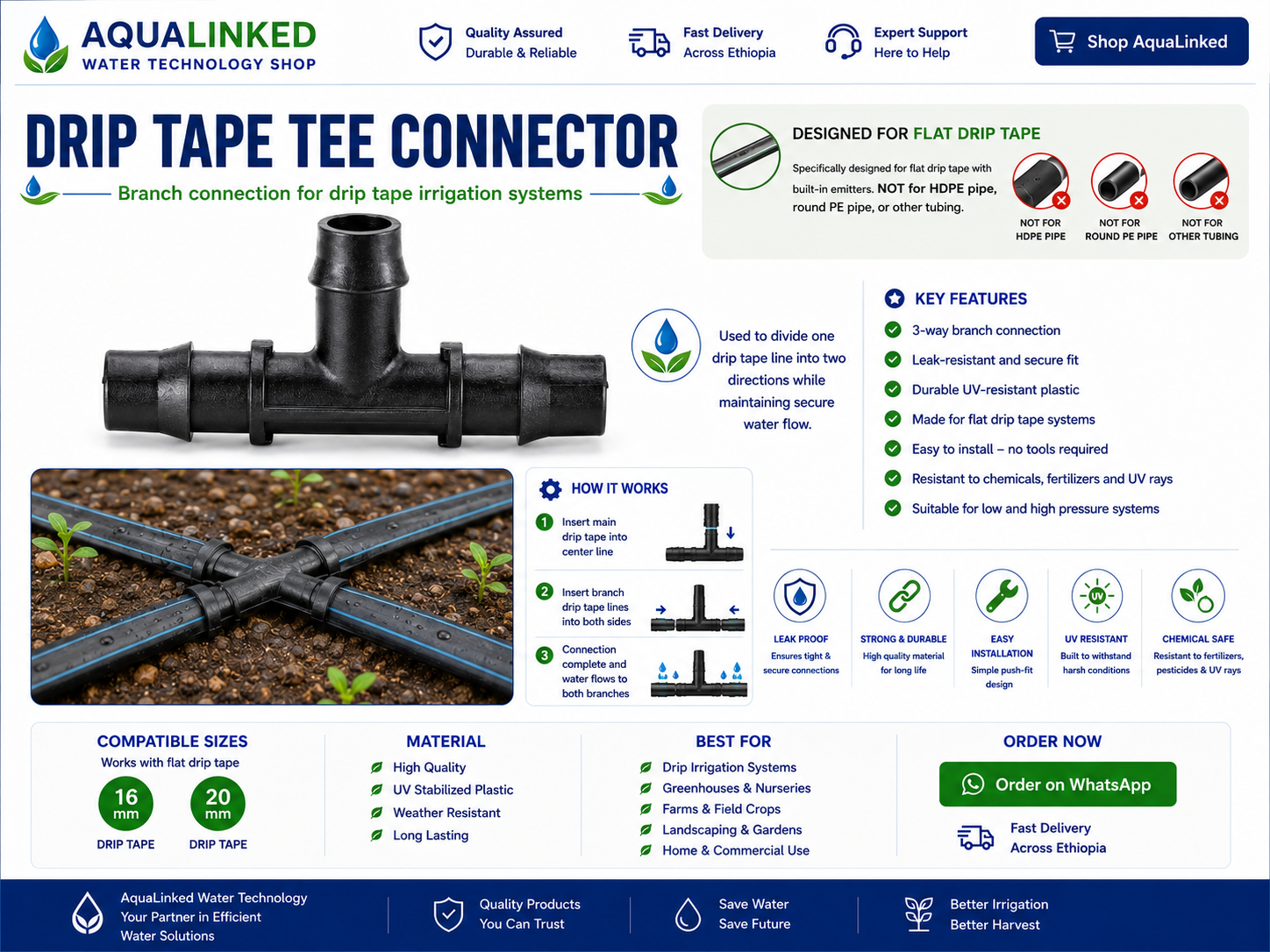
Compression type, lock-ring type, barbed type, threaded type, or take-off valve type depending on the system design. Some models connect directly to drip tape on both sides, while others connect from a mainline to drip tape.
Working Pressure
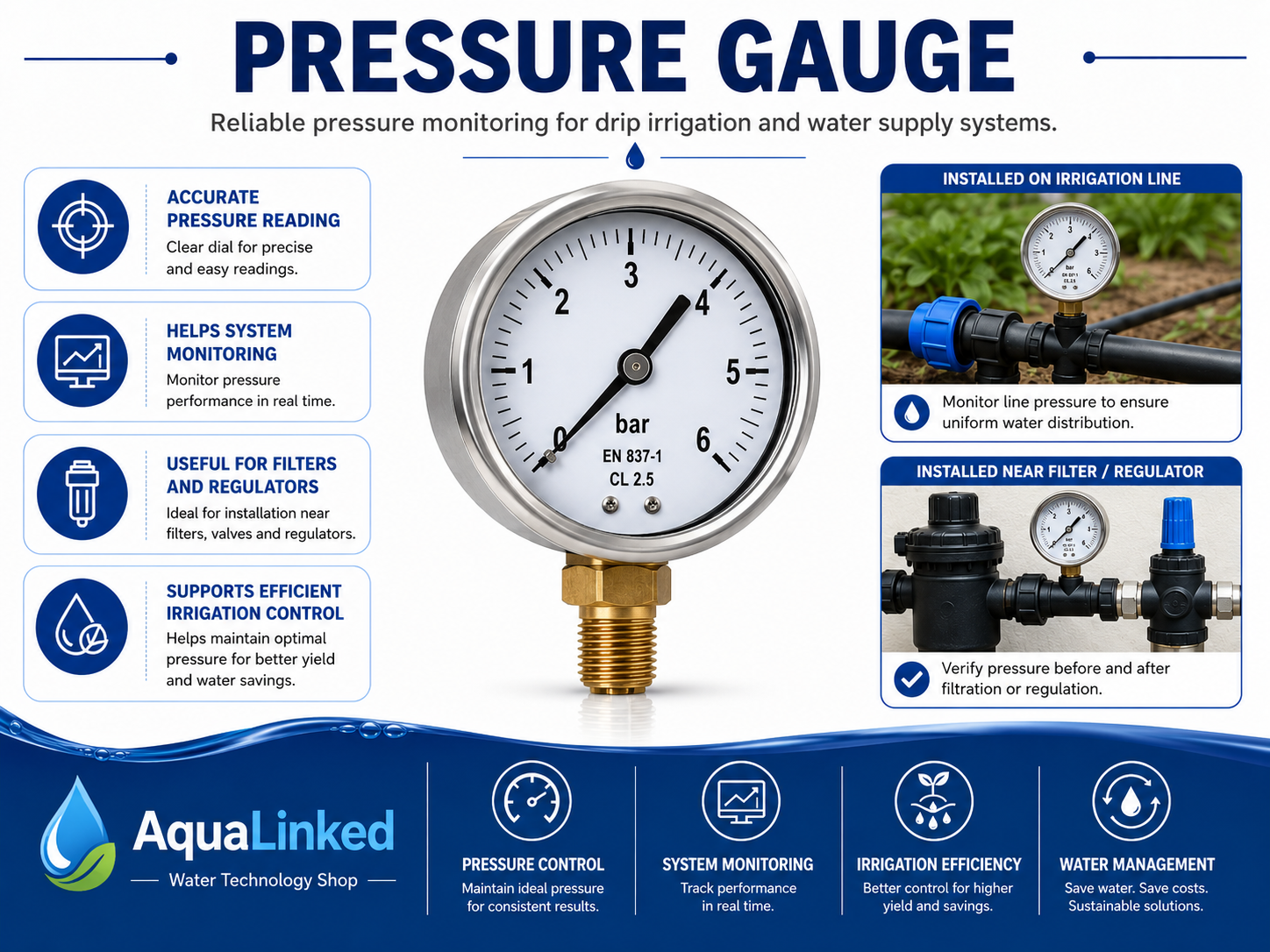
Suitable for low-pressure drip irrigation systems. Typical working pressure depends on the model, but many drip tape fittings are used around 0.5–3 bar. The connector should not be used above its rated pressure.
Flow Rate
Flow rate depends on valve size, tape length, system pressure, and the number of emitters connected to the drip tape. The connector should be selected according to the water demand of the drip tape line.
Application
Main Use:
Used to connect drip tape and control water flow in individual drip irrigation lines.

Key Benefits:

Connects drip tape securely
Allows manual open/close control
Helps shut off individual irrigation rows
Saves water during maintenance or partial irrigation
Helps isolate damaged drip tape lines
Reduces unnecessary water flow
Provides a leak-resistant connection
Easy to install and operate by hand
Useful for greenhouses, vegetable fields, nurseries, and row crops
Product Group / Sub-Group
Connectors and Fittings
Bookstore Update

View Updates