
Eritrea’s Southern Region has reported important progress in expanding access to potable water through a series of community-supported water projects implemented between 2021 and 2025.
According to the Eritrean Ministry of Information, 41 potable water projects worth more than 84 million Nakfa were implemented across the region over the past five years. These projects include 258 kW of solar energy systems, 116 water distribution centers, 48 water reservoirs, and 90 kilometers of water pipelines.
The reported impact is significant: more than 100,000 people have benefited from the projects. In a water-stressed environment, such investments are not only about infrastructure. They are about health, dignity, rural stability, women’s workload, livestock security, and the ability of communities to remain resilient under climate pressure.
A notable feature of the program is the use of solar power. In rural and semi-arid areas, solar-powered water supply systems can reduce dependence on fuel, lower operating costs, and make water services more reliable where electricity supply is limited or distant from the grid.
The projects were implemented through cooperation between the Government and local communities. The Ministry of Information reported that 60 percent of the cost was covered by the Government, while the remaining share was covered by community participation. This type of shared responsibility can strengthen ownership and help protect the long-term sustainability of water infrastructure.
The report also notes that renovation work was carried out on more than 200 water projects, while training was provided on water management. This is especially important because building water infrastructure is only the first step. Long-term success depends on operation, maintenance, local management, and the protection of water sources.
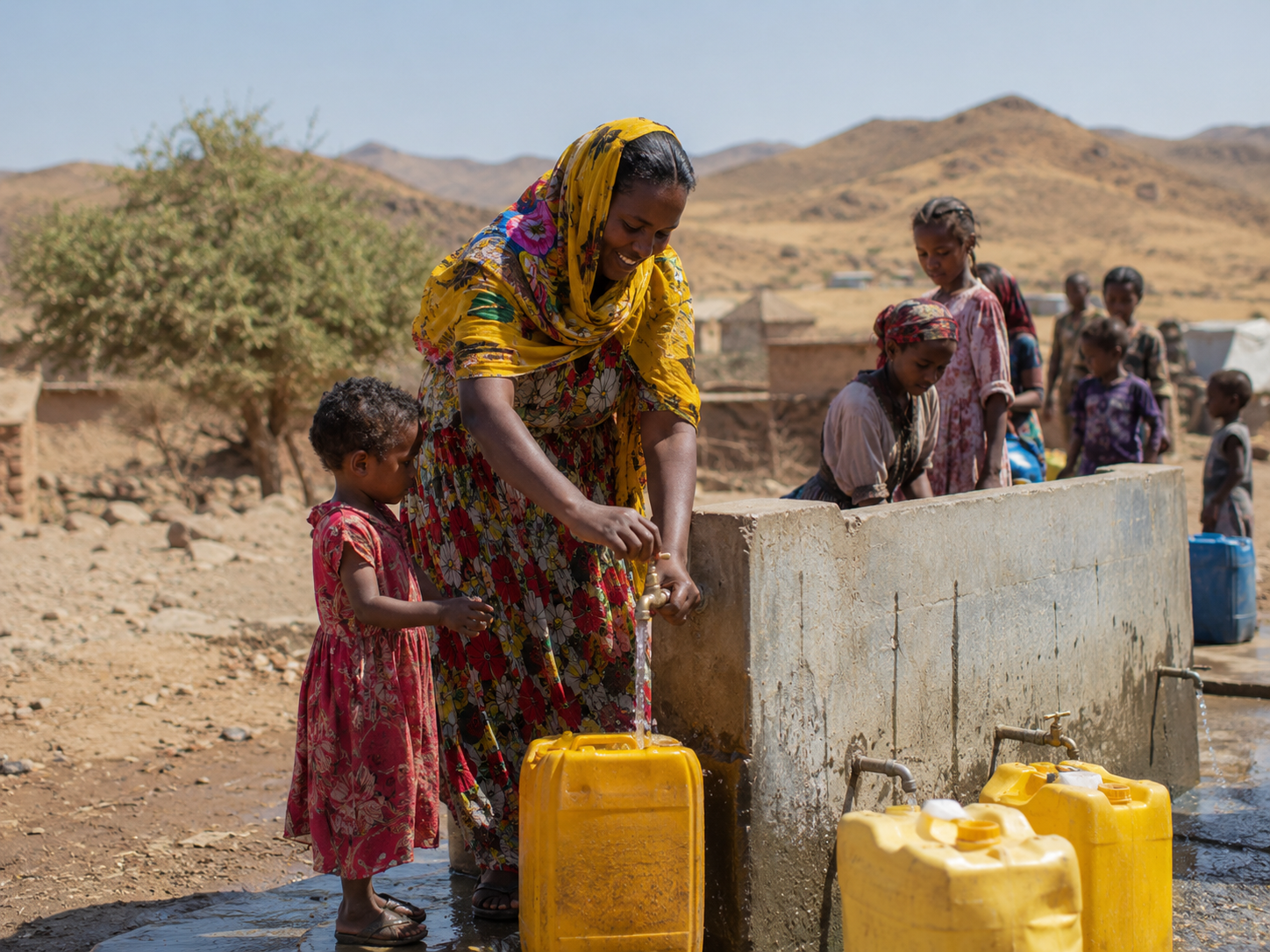
For AquaLinked / Water for Africa Experts, this story shows the importance of practical water engineering in rural development. Solar pumping, reservoirs, distribution points, pipeline networks, maintenance training, and community participation are all essential parts of sustainable water access.
Eritrea’s Southern Region water projects therefore represent more than a local development update. They show how targeted investment in potable water systems can support public health, climate resilience, and community stability in the Horn of Africa.
Sources
Official references used for this article.
Comments
Comments are reviewed by AquaLinked Media before public display. If your email matches an approved AquaLinked expert profile, your comment may appear with your expert profile link after approval.
No approved comments yet. Be the first to contribute respectfully.
No password is needed. Enter the email connected to your expert profile, and the system will check whether your expert profile exists.
Please login or register before commenting.