
Access to safe water, sanitation, and hygiene remains one of the most important foundations for public health, dignity, education, economic productivity, and climate resilience. In West Africa, many communities continue to face challenges related to water infrastructure, service reliability, sanitation systems, institutional capacity, and long-term operation and maintenance.
The World Bank has approved the Sierra Leone Water Security and WASH Access Improvement Project, supported by a US$40 million International Development Association grant. This project is the first phase of a wider US$180 million Multiphase Programmatic Approach planned over the next decade.
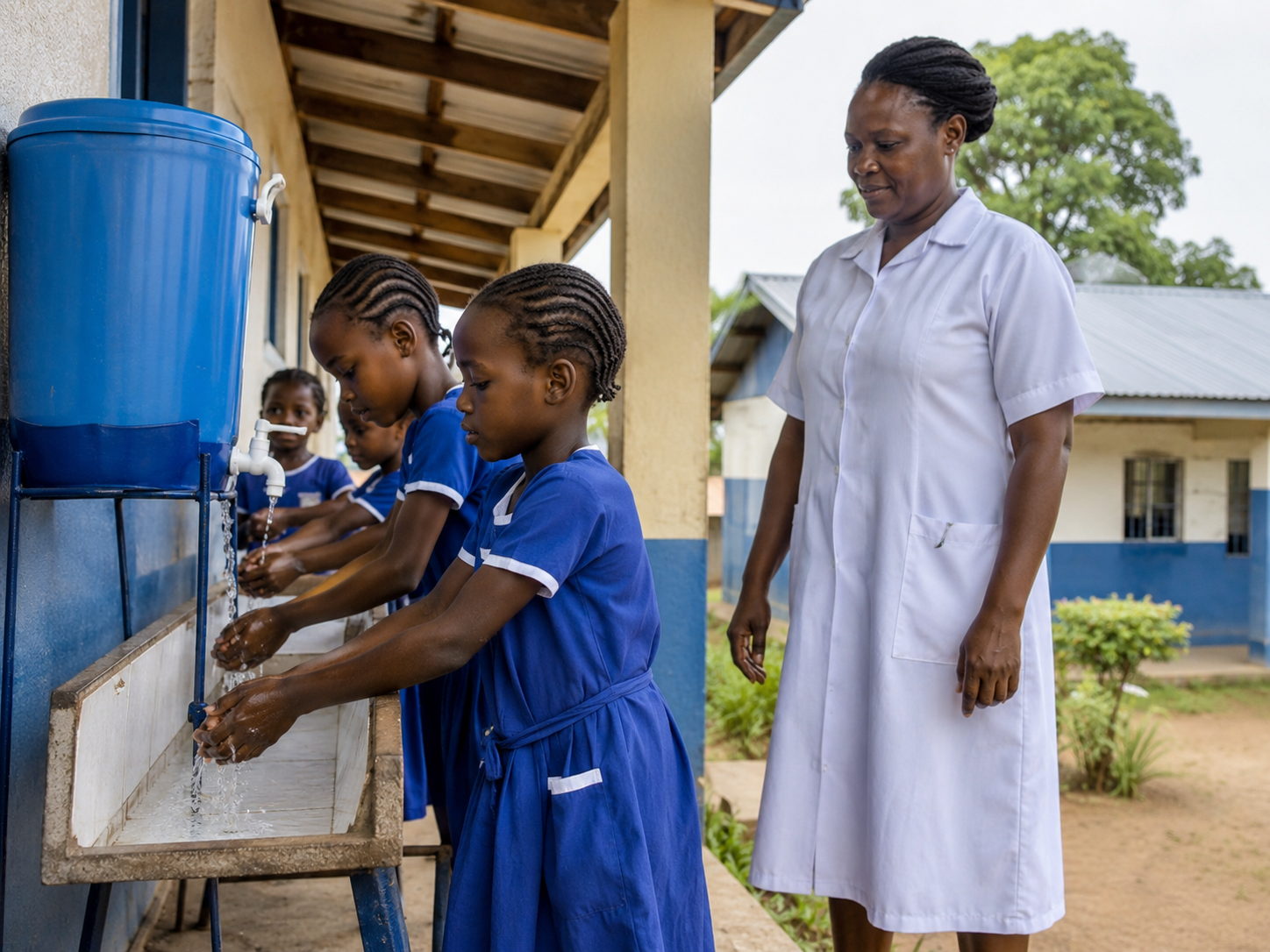
The project is designed to improve sector institutions, strengthen WASH services for millions of Sierra Leoneans, and increase water resources and climate resilience. It will support institutional capacity building, policy and regulatory frameworks, staff training, and the development of a national water resources masterplan.
For water professionals, this is important because major WASH programmes are not only about infrastructure. They also require strong institutions, good planning, reliable utilities, technical supervision, sanitation value-chain development, monitoring systems, community engagement, and sustainable financing.
The project will help upgrade water supply infrastructure and improve the operational efficiency of the Guma Valley Water Company. It will also increase access to toilets and hygiene in schools and health centers, expand fecal sludge treatment capacity, and support a national behavior-change campaign aimed at making Sierra Leone open-defecation free.
Opportunity Watch:
- Water supply planning and infrastructure upgrading
- Water resources master planning
- Utility performance improvement
- WASH services in schools and health centers
- Sanitation and hygiene systems
- Fecal sludge treatment and sanitation value-chain development
- Climate-resilient water services
- Monitoring and evaluation
- Institutional capacity building
- Policy and regulatory support
- Community engagement and behavior-change campaigns
- Construction supervision and project management
- Jobs and professional training in the WASH sector
According to the World Bank, the project is expected to benefit approximately 5 million people through climate-resilient planning and improved WASH services. This includes 2.5 million women and 1.5 million youth. In the Western Area, around 400,000 people are expected to gain access to improved water services, while about 1.3 million people are expected to benefit from improved sanitation and hygiene services.
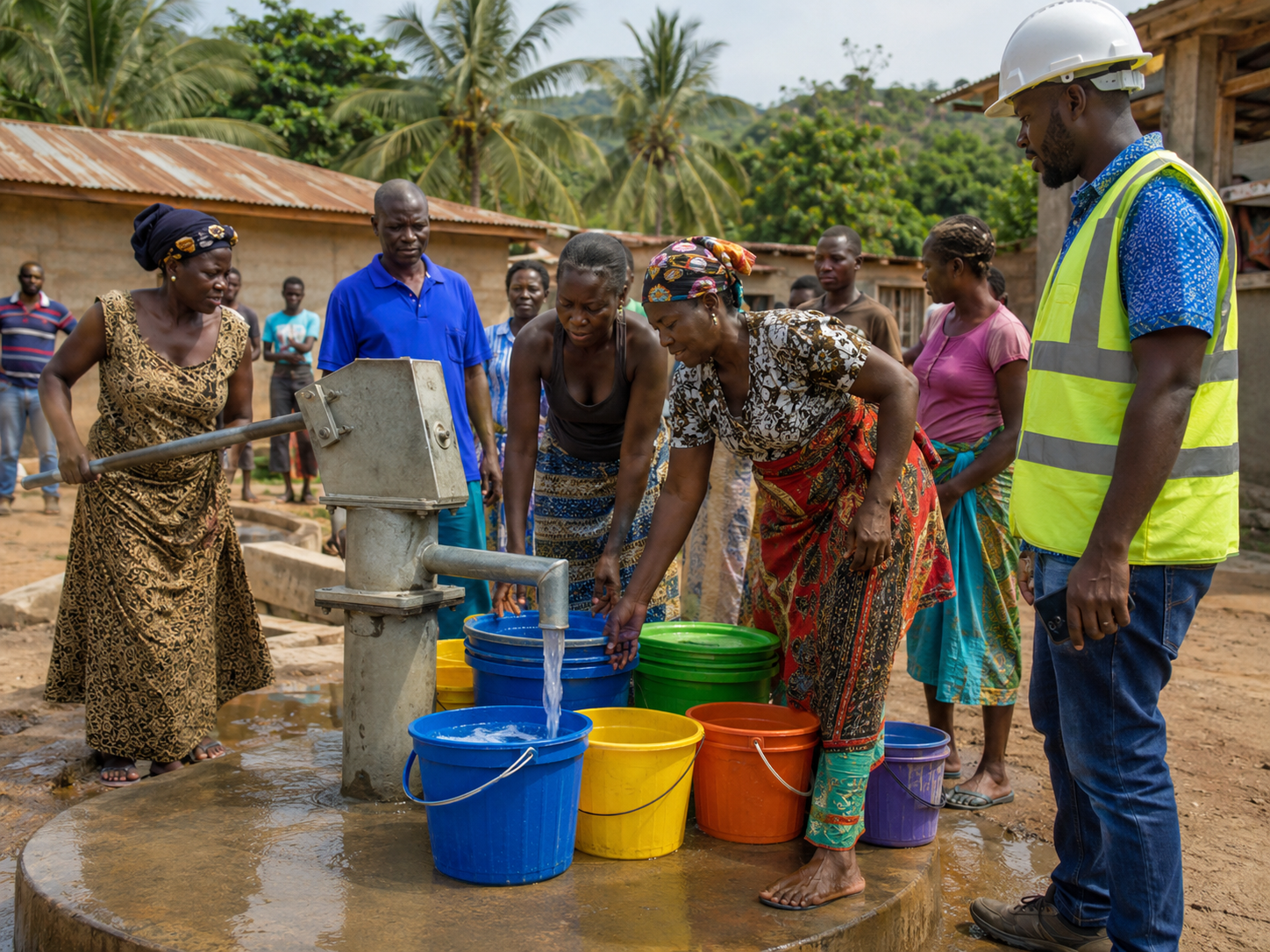
The project is also expected to create about 1,400 direct jobs, strengthen the capacity of about 600 sector professionals, and expand fecal sludge treatment to 50,000 cubic meters per year. These figures show that WASH investment can support not only public health, but also employment, professional development, institutional reform, and long-term national resilience.
Sources
Official references used for this article.
Comments
Comments are reviewed by AquaLinked Media before public display. If your email matches an approved AquaLinked expert profile, your comment may appear with your expert profile link after approval.
No approved comments yet. Be the first to contribute respectfully.
No password is needed. Enter the email connected to your expert profile, and the system will check whether your expert profile exists.
Please login or register before commenting.