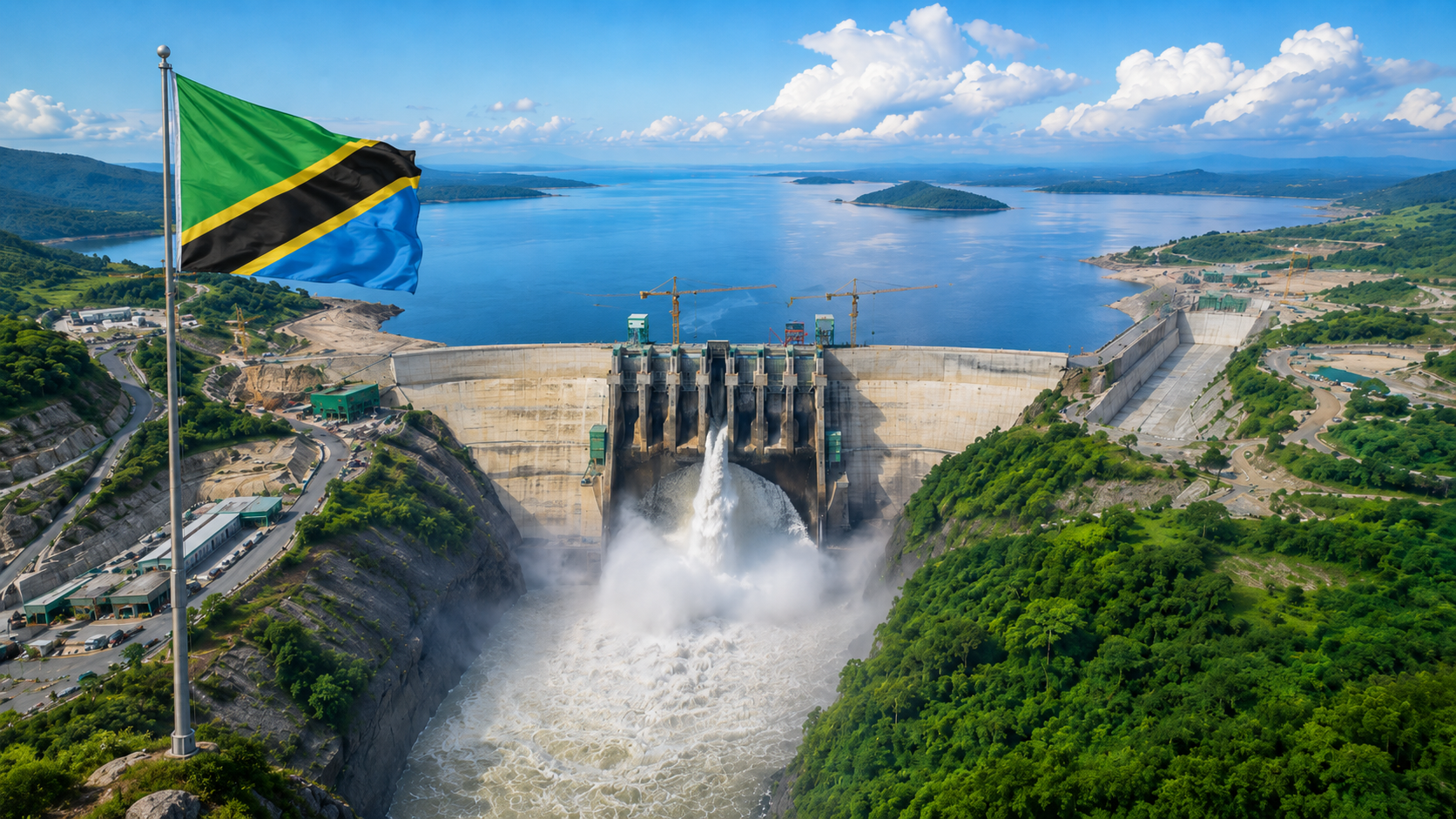
Julius Nyerere Hydropower Project: Tanzania’s Giant Rufiji River Achievement
The Julius Nyerere Hydropower Project is one of Africa’s most important modern water and energy infrastructure achievements. Built on the Rufiji River in Tanzania, at the historic Stiegler’s Gorge area, the project represents a major national investment in electricity generation, industrial development, water regulation, and long-term infrastructure capacity.
Named after Mwalimu Julius Kambarage Nyerere, the founding father of Tanzania, the project carries both technical and national meaning. It is not only a dam and power station; it is a symbol of Tanzania’s determination to transform its energy future, reduce power shortages, strengthen industrialization, and place water infrastructure at the center of national development.
The project is reported to have an installed capacity of 2,115 MW, generated through nine Francis turbines of about 235 MW each. When all nine turbines became operational, the project became one of the largest hydropower facilities in Africa and one of the most important energy investments in East Africa. For a country seeking reliable electricity for households, industries, cities, mines, agriculture, transport, and public services, this is a major turning point.
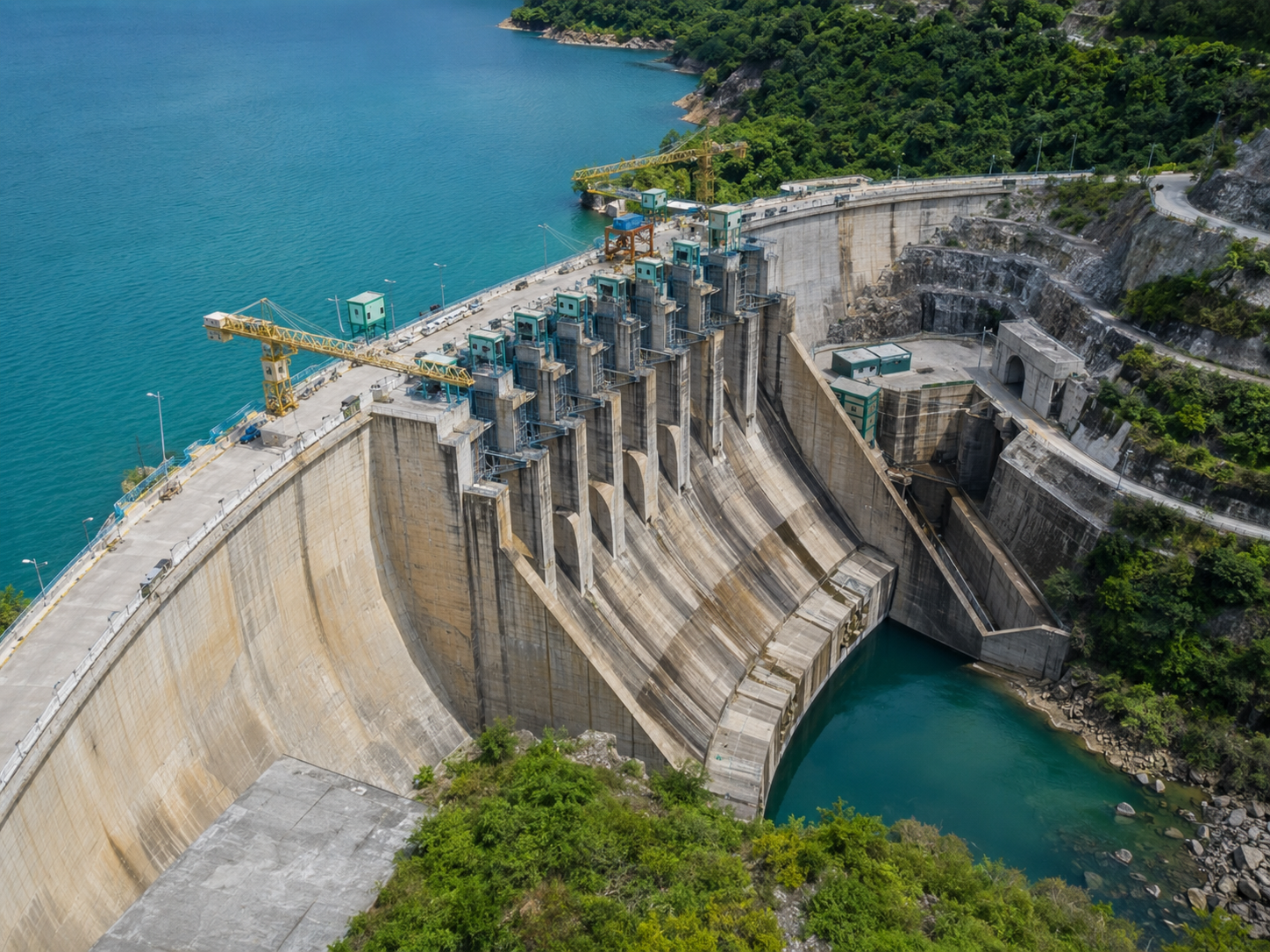
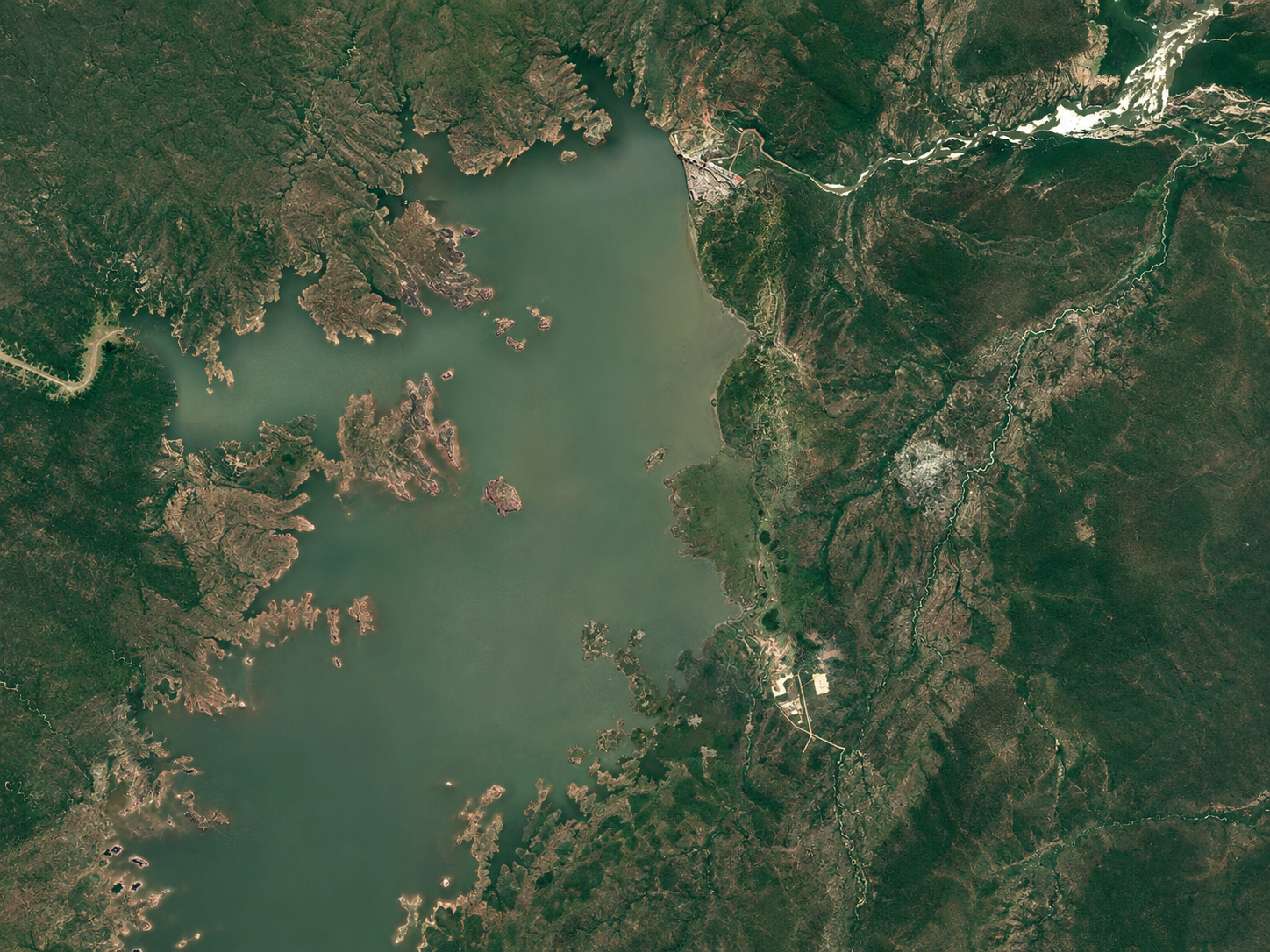
The Rufiji River is one of Tanzania’s most important river systems. It drains a large part of the country and supports ecosystems, communities, agriculture, fisheries, floodplains, and hydrological processes across a wide landscape. By building a large hydropower project on this river, Tanzania has created a major regulating and power-generating structure with national importance.
From an engineering point of view, the Julius Nyerere Hydropower Project is a major work of scale and complexity. The project includes a large roller-compacted concrete dam, a major reservoir, power-generation structures, spillways, intake systems, tunnels, transmission connections, roads, and related infrastructure. It is a complete hydropower development system, not merely a single dam wall.
Project Fact Box
- Project: Julius Nyerere Hydropower Project
- Country: Tanzania
- River: Rufiji River
- Location: Stiegler’s Gorge area, Morogoro / Rufiji system
- Main purpose: Hydropower generation and national energy security
- Status: Operational
- Installed capacity: About 2,115 MW
- Turbines: Nine Francis turbines of about 235 MW each
- Dam type: Roller-compacted concrete / gravity dam system
Strategic value: Electricity access, industrial growth, grid stability, clean energy, flood-flow regulation potential, and national infrastructure transformation
The strongest ability of the Julius Nyerere Hydropower Project is electricity generation. Hydropower uses the energy of stored and controlled water to rotate turbines and produce electricity. With nine large turbines, the project gives Tanzania a major source of domestic energy that can support national grid stability and reduce pressure from power shortages.
For Tanzania, this is especially important because electricity access and reliability are central to development. Reliable power supports factories, water utilities, irrigation pumps, hospitals, schools, telecommunications, transport systems, mining operations, digital services, and urban growth. A major hydropower project of this size can strengthen the entire national economy when it is integrated with transmission and distribution expansion.
The project also supports Tanzania’s long-term industrialization ambitions. Large-scale manufacturing, agro-processing, mining, cold storage, water treatment, rail systems, and urban infrastructure all require stable electricity. The Julius Nyerere Hydropower Project gives Tanzania an energy backbone that can support these sectors and help the country move from limited power supply towards stronger productive capacity.
Another important ability of the project is water-flow regulation. The Rufiji River has seasonal variation, and a large reservoir can store water during periods of high flow and release it in a controlled way for power generation. This can provide operational flexibility and may help manage flood peaks when the reservoir is operated with strong hydrological planning and responsible coordination.
The project is also important for clean-energy development. Hydropower, when responsibly planned and operated, can provide large quantities of electricity without the direct carbon emissions associated with fossil-fuel power plants. For Tanzania and East Africa, this supports a broader transition towards lower-carbon electricity systems while still meeting the urgent need for energy access and economic growth.
Julius Nyerere Hydropower Project is also a regional energy story. East Africa is moving towards stronger power-pool cooperation, cross-border electricity exchange, and regional grid integration. A large hydropower plant in Tanzania can contribute to national supply first, and later support regional electricity trade where transmission systems and agreements allow.
For African water engineers, the project is a major case study. It brings together hydrology, dam engineering, river-basin planning, power-station design, turbine operation, reservoir management, flood-risk consideration, environmental safeguards, construction logistics, transmission planning, and national policy. It shows how a water infrastructure project can become an energy project, an economic project, and a governance project at the same time.
The project also demonstrates the importance of construction capacity and international cooperation. The works involved large-scale engineering, procurement, civil works, electromechanical systems, and technical coordination. Projects of this size require strong planning, financing, supervision, contract management, quality control, safety systems, and long-term operation capacity.
At the same time, the Julius Nyerere Hydropower Project must be discussed with balance and responsibility. The project has been controversial because of its location within the Selous Game Reserve, a UNESCO World Heritage site. Conservation organizations and UNESCO raised concerns about possible impacts on wildlife, habitats, river ecology, and the Outstanding Universal Value of the protected area.
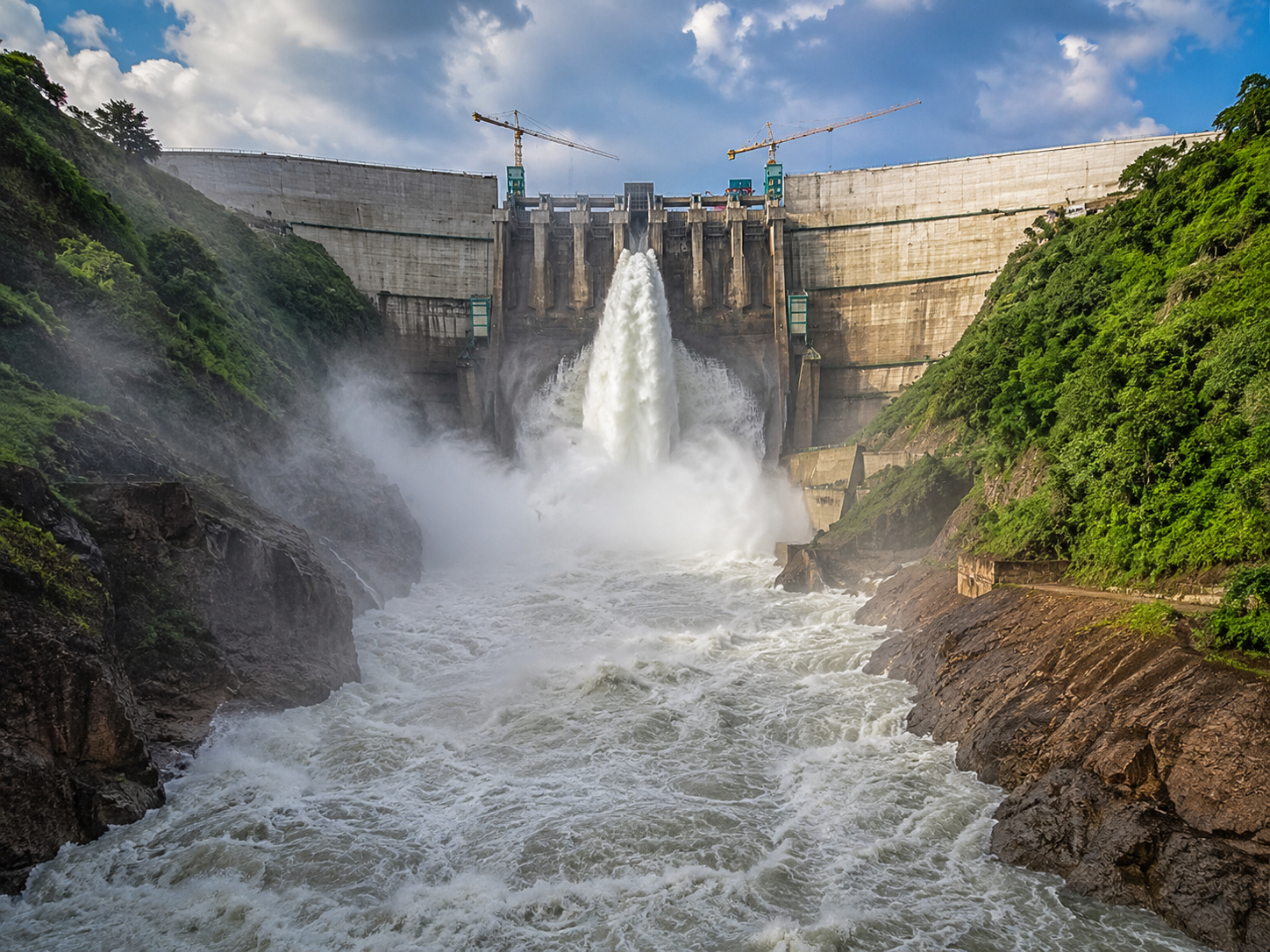
This environmental context does not reduce the engineering importance of the project, but it makes the project more important to study. It reminds African water professionals that large dams must be evaluated not only by megawatts and concrete volume, but also by ecosystem impact, downstream flow, sediment movement, protected areas, biodiversity, social effects, and long-term river health.
Responsible operation will therefore be central to the project’s legacy. The future value of the Julius Nyerere Hydropower Project will depend not only on installed capacity, but on how carefully the reservoir is managed, how downstream flows are considered, how environmental commitments are monitored, how flood releases are planned, and how communities and ecosystems are protected over time.
For Tanzania, the project is a bold national statement. It says that the country is willing to invest in major infrastructure to meet its development needs. It says that energy security is not optional, but essential. It says that African countries must build the systems that allow their people to work, study, produce, preserve food, run hospitals, pump water, and grow industries.
For Africa, the project belongs among the great water infrastructure achievements of the twenty-first century. Together with GERD in Ethiopia, Mphanda Nkuwa in Mozambique, Polihali in Lesotho, Inga in the Democratic Republic of Congo, and other major projects, Julius Nyerere shows that Africa is entering a new century of large-scale water and energy infrastructure.
In engineering terms, Julius Nyerere is a hydropower station. In national terms, it is an energy transformation project. In historical terms, it carries the name and development vision of Tanzania’s founding leader. In African terms, it is a demonstration that the continent can build major infrastructure to serve its own future.
Why the Julius Nyerere Hydropower Project is Important
African water experts should follow this project because it connects hydropower engineering, river-basin management, reservoir operation, energy planning, environmental safeguards, protected-area governance, climate resilience, and national development. It is both an achievement and a learning platform.
For hydrologists, it raises important questions about inflow variability, reservoir storage, flow regulation, drought planning, and flood management. For dam engineers, it offers lessons in large-scale roller-compacted concrete construction, spillway operation, powerhouse design, and turbine integration. For environmental specialists, it is a major case study in balancing infrastructure development with conservation commitments. For policymakers, it shows the importance of aligning energy demand, financing, construction, river governance, and long-term operation.
The Julius Nyerere Hydropower Project is therefore more than a Tanzanian project. It is an African water infrastructure story. It is a project of electricity, engineering, ambition, debate, responsibility, and national transformation.
For AquaLinked / Water for Africa Experts Media, this project is a natural second story in the series “Major African Water Projects: A New Century of Achievement in Africa.” After GERD, Julius Nyerere confirms that African water infrastructure is not an isolated achievement. It is a continental movement towards energy security, water-resource development, engineering confidence, and long-term transformation.
Sources
Official references used for this article.
Comments
Comments are reviewed by AquaLinked Media before public display. If your email matches an approved AquaLinked expert profile, your comment may appear with your expert profile link after approval.
No approved comments yet. Be the first to contribute respectfully.
No password is needed. Enter the email connected to your expert profile, and the system will check whether your expert profile exists.
Please login or register before commenting.