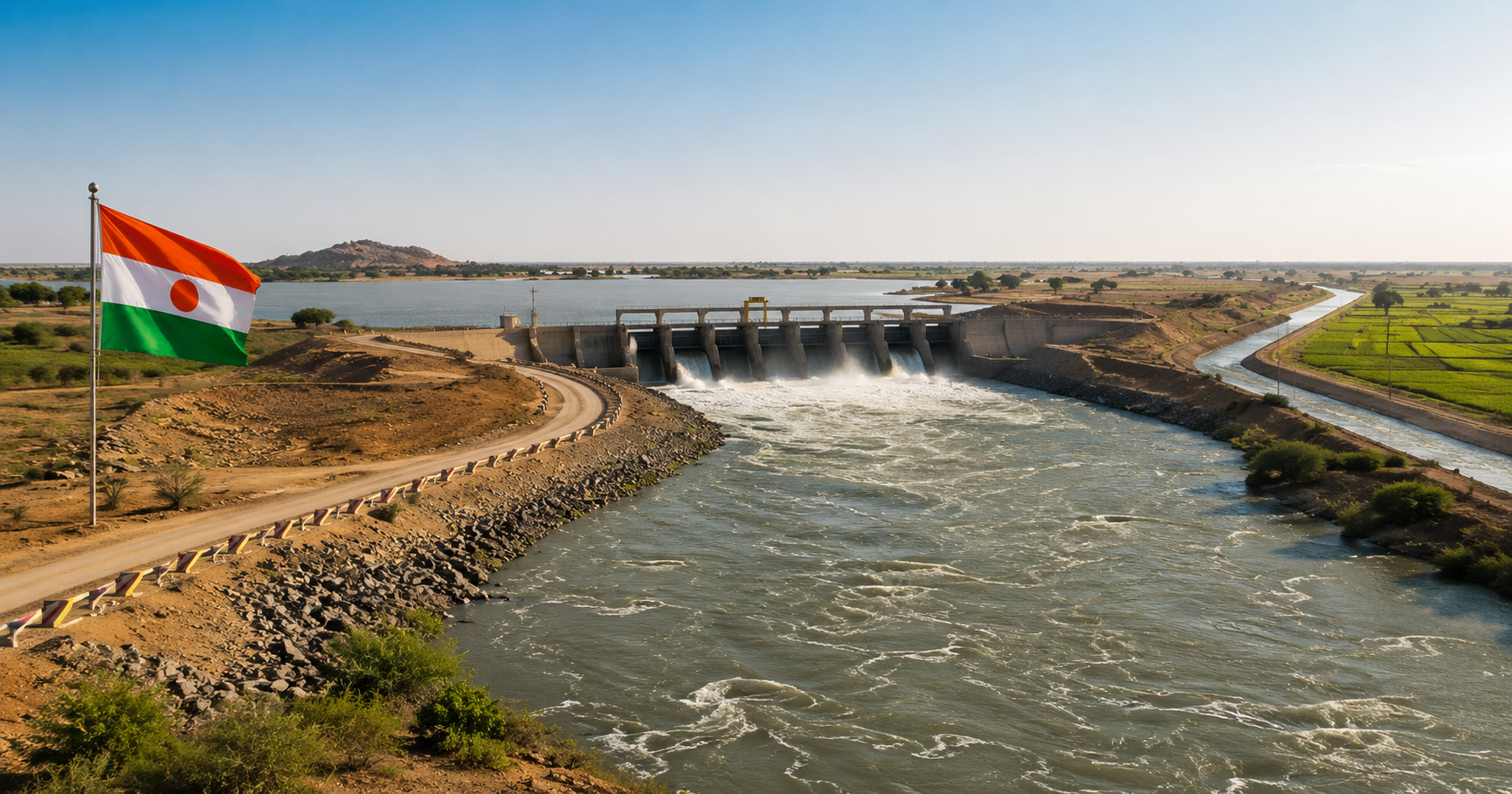
Kandadji Dam: Niger’s Sahel Water Security and Food Resilience Project
In the Sahel, water is not simply a resource. It is survival, food, electricity, livestock, health, migration control, and social stability. Few regions of Africa understand the meaning of water more deeply than the Sahel, where recurrent drought, flood shocks, land degradation, food insecurity, and fragile livelihoods shape the daily life of millions.
This is why the Kandadji Dam in Niger deserves a place among Africa’s major water projects. It is not the largest hydropower project on the continent. It is not the most spectacular dam by height or installed capacity. Its importance comes from something more fundamental: Kandadji is a water-security project in one of Africa’s most climate-sensitive regions.
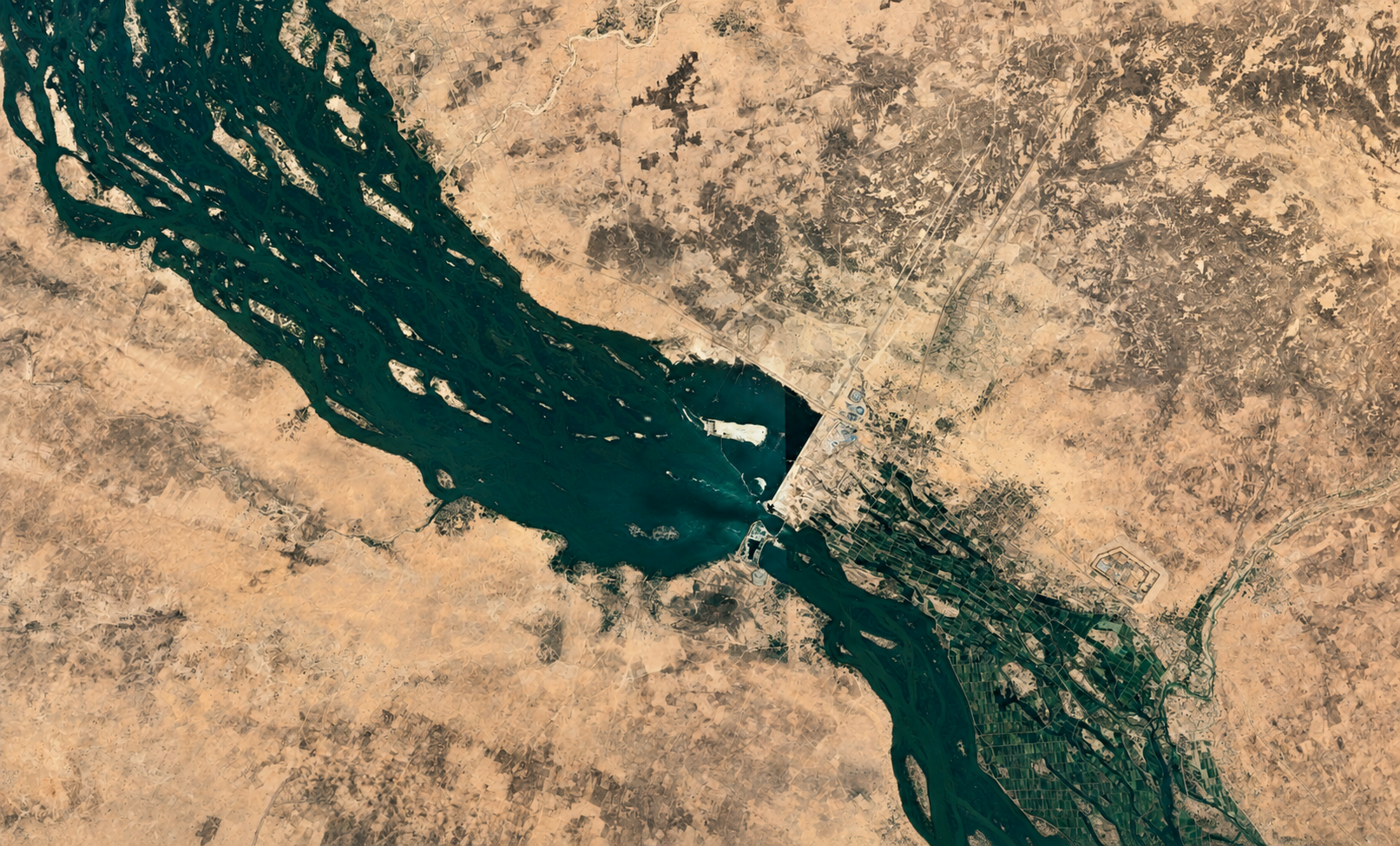
Located on the Niger River, about 189 kilometres northwest of Niamey, Kandadji is designed as a multipurpose project for river regulation, irrigation, hydropower, ecosystem regeneration, food security, and local development. It belongs to the wider Niger Basin Water Resources Development and Sustainable Ecosystems Management Program, a regional effort to improve the management and development of the Niger River system.
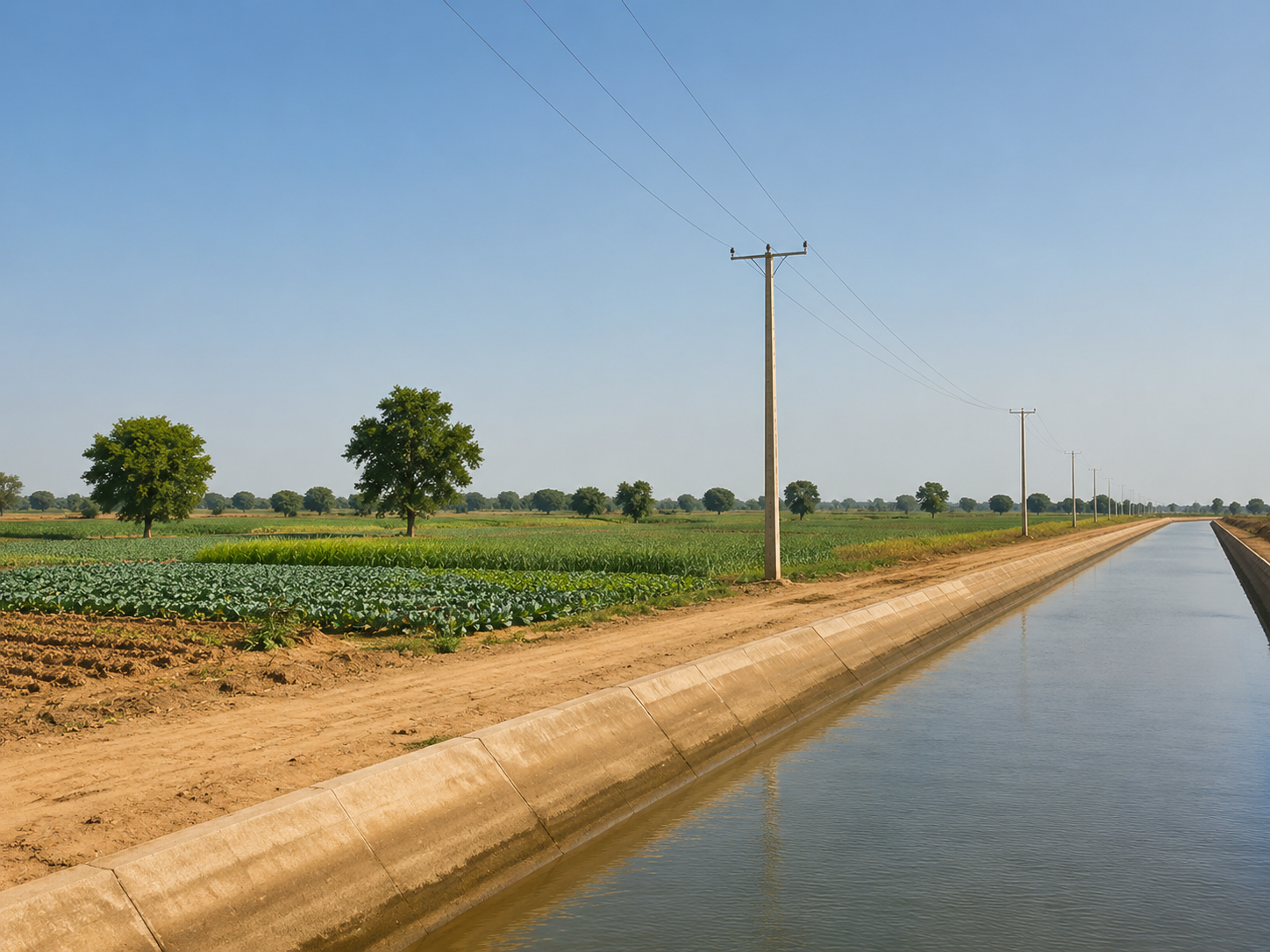
The Niger River is the lifeline of Niger’s western region. It supports communities, agriculture, livestock, fisheries, transport, ecosystems, and urban water needs. Yet the river’s seasonal variation is severe. During dry periods, low flows can limit irrigation, drinking-water availability, ecological health, and economic activity. During flood periods, uncontrolled flows can damage settlements and farmland. Kandadji is intended to help regulate this natural variability.
Project Snapshot
- Project: Kandadji Dam / Kandadji Program
- Country: Niger
- River: Niger River
- Location: Tillabéri Region, northwest of Niamey
- Main purpose: Water regulation, irrigation, hydropower, ecosystem regeneration, and local development
- Planned hydropower capacity: About 130 MW
- Irrigation target: Up to 45,000 hectares
Strategic value: Food security, dry-season water availability, renewable electricity, jobs, poverty reduction, and Sahel climate resilience
Current status: Strategically important but delayed, with construction and implementation challenges
The heart of Kandadji is the idea of controlled water availability. In the Sahel, the problem is often not only the absence of water, but the timing of water. Rain may arrive intensely and then disappear for long periods. Rivers may flood and then shrink. Farmers may have land but no reliable water. Families may depend on crops and livestock that are exposed to climate shocks.
A regulating dam can help store water during periods of higher flow and release it during drier periods. This can support irrigation, protect dry-season river flow, strengthen food production, and reduce vulnerability to drought. For Niger, a country where agriculture and livestock remain central to livelihoods, this is a national resilience issue.
The irrigation dimension is one of Kandadji’s most important abilities. The project is expected to support irrigation development of up to 45,000 hectares. That means Kandadji is not only a dam for electricity. It is a food-security platform. Irrigated agriculture can allow farmers to produce beyond the short rainy season, stabilize harvests, grow vegetables and cereals, support livestock feed, create rural employment, and reduce pressure from climate uncertainty.
This is especially important in Niger because food insecurity is not an abstract policy issue. It affects families directly. A failed rainy season can mean hunger, debt, migration, school dropout, and local instability. By improving access to controlled water, Kandadji can support a more stable agricultural system if the irrigation schemes, land rights, farmer support, and local institutions are managed properly.
Kandadji also has a hydropower component. The project is planned to add about 130 MW of installed generation capacity. For Niger, this is significant because electricity access has historically been low, especially in rural areas. Hydropower from Kandadji can help reduce dependence on imported electricity, strengthen the national grid, and support households, small businesses, water systems, schools, health centres, and local industries.
But Kandadji should not be judged only by megawatts. Its power lies in the combination of water, food, energy, and livelihoods. In a Sahelian context, a dam that helps farmers irrigate land, supports dry-season water availability, generates electricity, and creates jobs may have a wider development impact than its installed capacity alone suggests.
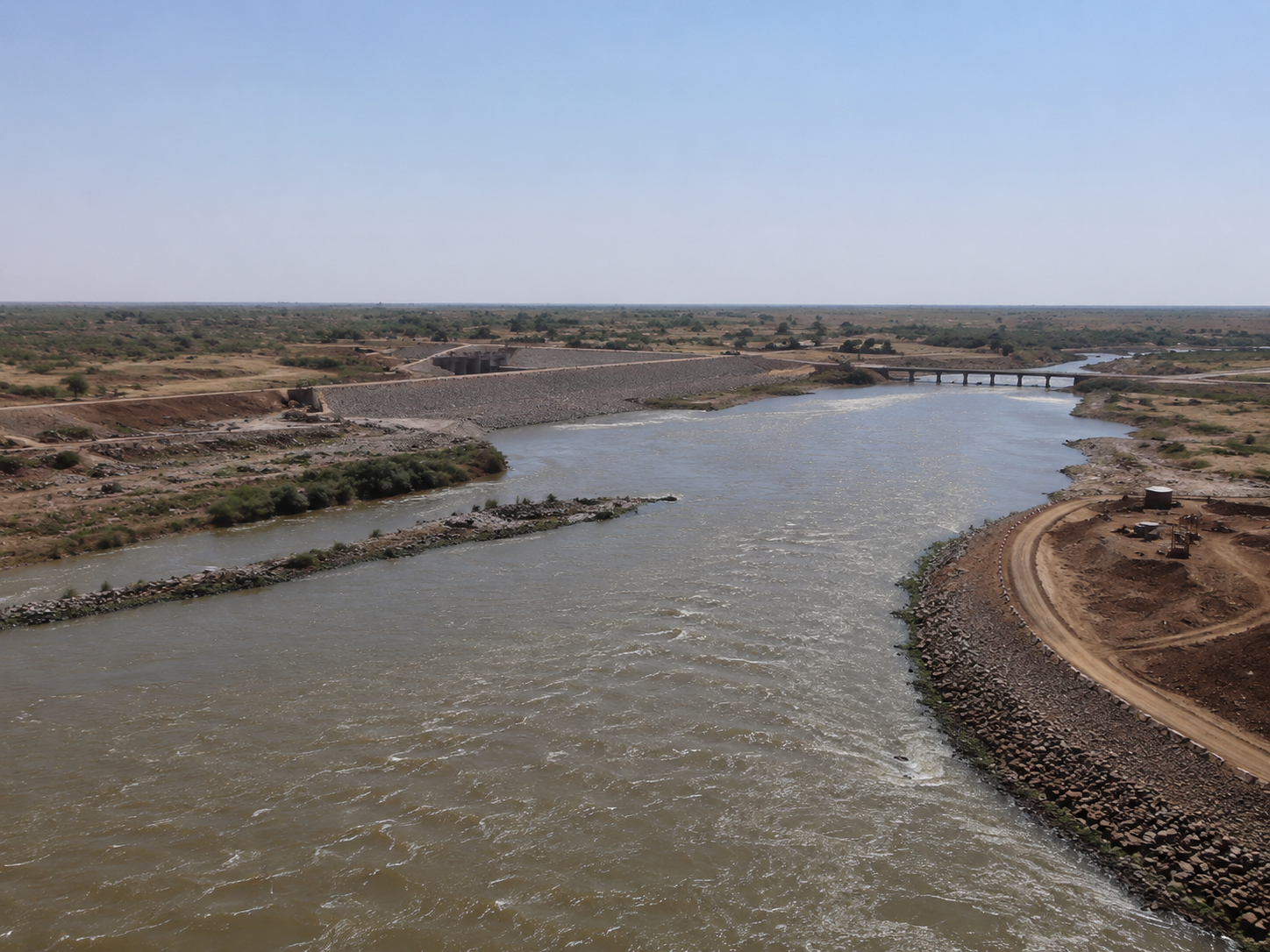
The project also includes local development and resettlement components. This is one of the most sensitive parts of the Kandadji story. Large reservoirs affect people, land, villages, farming areas, grazing systems, cultural sites, and livelihoods. For Kandadji, resettlement has been a central issue from the beginning. The project involves rebuilding communities, providing housing and services, restoring livelihoods, and ensuring that affected people are not pushed into deeper poverty.
This is where the project must be judged with seriousness. A Sahel resilience project cannot create resilience for some people by making others more vulnerable. If Kandadji is to become a true development project, the people affected by the reservoir and construction works must receive fair compensation, land access, water services, livelihood restoration, and long-term support. Social justice is not separate from engineering; it is part of the project’s success.
Kandadji also has an ecosystem-regeneration ambition. The Niger River system is under pressure from climate variability, land degradation, population growth, and competing water uses. A regulating dam can support minimum dry-season flows, but it can also alter natural river dynamics if not operated carefully. Therefore, environmental flow management, fisheries protection, floodplain ecology, sediment monitoring, and downstream water needs must be part of the operation strategy.
This makes Kandadji a true water-resources management project. It is not simply about closing a river with a dam wall. It is about managing a river system in a fragile climatic zone. Hydrologists, irrigation engineers, environmental specialists, social experts, agronomists, and power planners all have a role in understanding its impact.
The project’s current status must also be discussed honestly. Kandadji has faced many delays. Recent World Bank implementation documents have reported serious challenges, including stalled dam civil works, financing and contract issues, security concerns in the project area, and delays in resettlement and associated studies. This means Kandadji is not yet a completed success story. It is a major strategic project whose promise remains partly unfinished.
That honesty is important. Africa’s major water projects should not be presented only as beautiful images and ambitious numbers. They must also be studied as real development processes, with difficulties, delays, financing problems, security pressures, community concerns, and governance responsibilities. Kandadji is a powerful example of this reality.
The Sahel needs projects like Kandadji, but it also needs them to be completed responsibly. A delayed dam does not feed farmers. A stalled powerhouse does not light homes. A poorly managed resettlement program does not build trust. A reservoir without functioning irrigation systems does not automatically create food security. The value of Kandadji will depend on implementation discipline, social protection, financial coordination, security improvement, and long-term river management.
For African water experts, Kandadji is a major learning platform. It brings together river-basin regulation, irrigation planning, hydropower generation, climate adaptation, food security, environmental flows, resettlement, donor coordination, and Sahel development. It is a project where every technical decision has a social consequence.
For irrigation engineers, Kandadji raises questions about canal systems, water distribution, farmer organization, drainage, salinity control, land tenure, and crop productivity. For hydrologists, it raises questions about dry-season flow regulation, flood management, sediment, drought planning, and basin-scale allocation. For energy specialists, it raises questions about how 130 MW of renewable power can strengthen a national grid. For social specialists, it raises questions about how to protect communities affected by large infrastructure.
Kanauji's story is not mainly about continental hydropower ambition or regional transmission corridors. Its story is about the Sahel’s need for controlled water in a changing climate. It is about food on the table, water in the dry season, electricity in homes, and dignity for river communities.
If completed and managed well, Kandadji could become one of West Africa’s most important examples of integrated water, food, and energy planning. It could help Niger improve food security, expand irrigation, strengthen electricity supply, regenerate river ecosystems, create jobs, and support communities in one of Africa’s most climate-vulnerable regions.
If the project continues to face long delays, financing disruptions, security risks, and social challenges, it will remain a reminder that good ideas are not enough. Africa’s water future depends not only on planning major projects, but on delivering them with competence, fairness, and resilience.
For AquaLinked / Water for Africa Experts Media, Kandadji is an essential story because it brings the Sahel into the Major African Water Projects series. It reminds us that a major project is not always the tallest dam or the largest power station. Sometimes a major project is the one that gives farmers water in the dry season, protects communities from hunger, supports clean electricity, and helps a fragile region stand stronger against climate uncertainty.
Kandadji is therefore more than a dam. It is a Sahel water-security promise. Its final value will be measured not only in megawatts or hectares, but in harvests protected, families supported, communities respected, and the Niger River managed wisely for future generations.
Sources
Official references used for this article.
Comments
Comments are reviewed by AquaLinked Media before public display. If your email matches an approved AquaLinked expert profile, your comment may appear with your expert profile link after approval.
No approved comments yet. Be the first to contribute respectfully.
No password is needed. Enter the email connected to your expert profile, and the system will check whether your expert profile exists.
Please login or register before commenting.