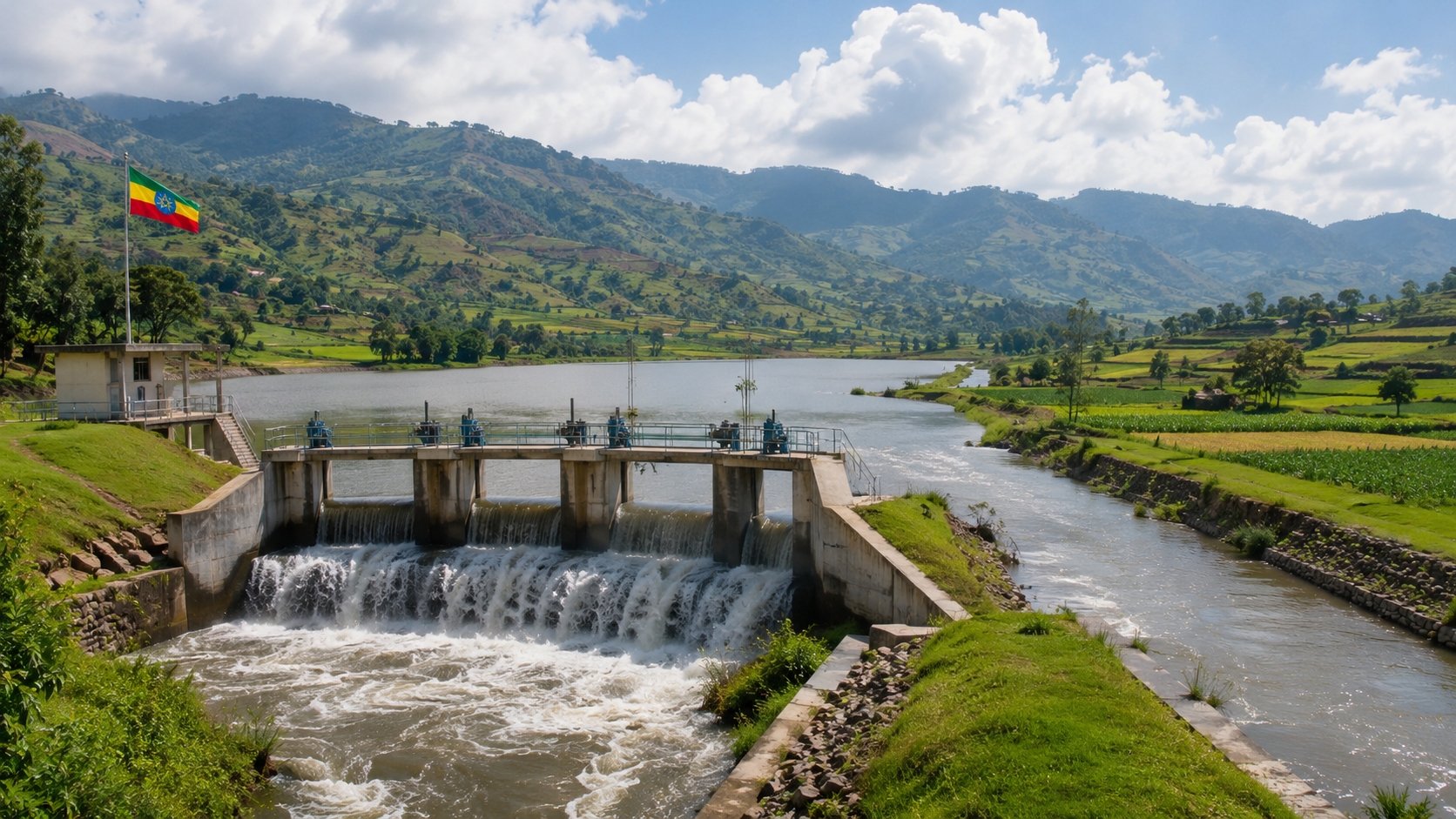
Tana-Beles / Ethiopian Irrigation Development Projects — Ethiopia
The Tana-Beles / Ethiopian Irrigation Development Projects represent one of Ethiopia’s most important examples of multipurpose water-resource development. The project area links Lake Tana, Ethiopia’s largest lake and the source of the Blue Nile, with the Beles River, a tributary of the Blue Nile/Abbay system. Since 2010, an inter-basin transfer has delivered water from Lake Tana toward the Beles system, supporting both energy generation and irrigation-oriented development.
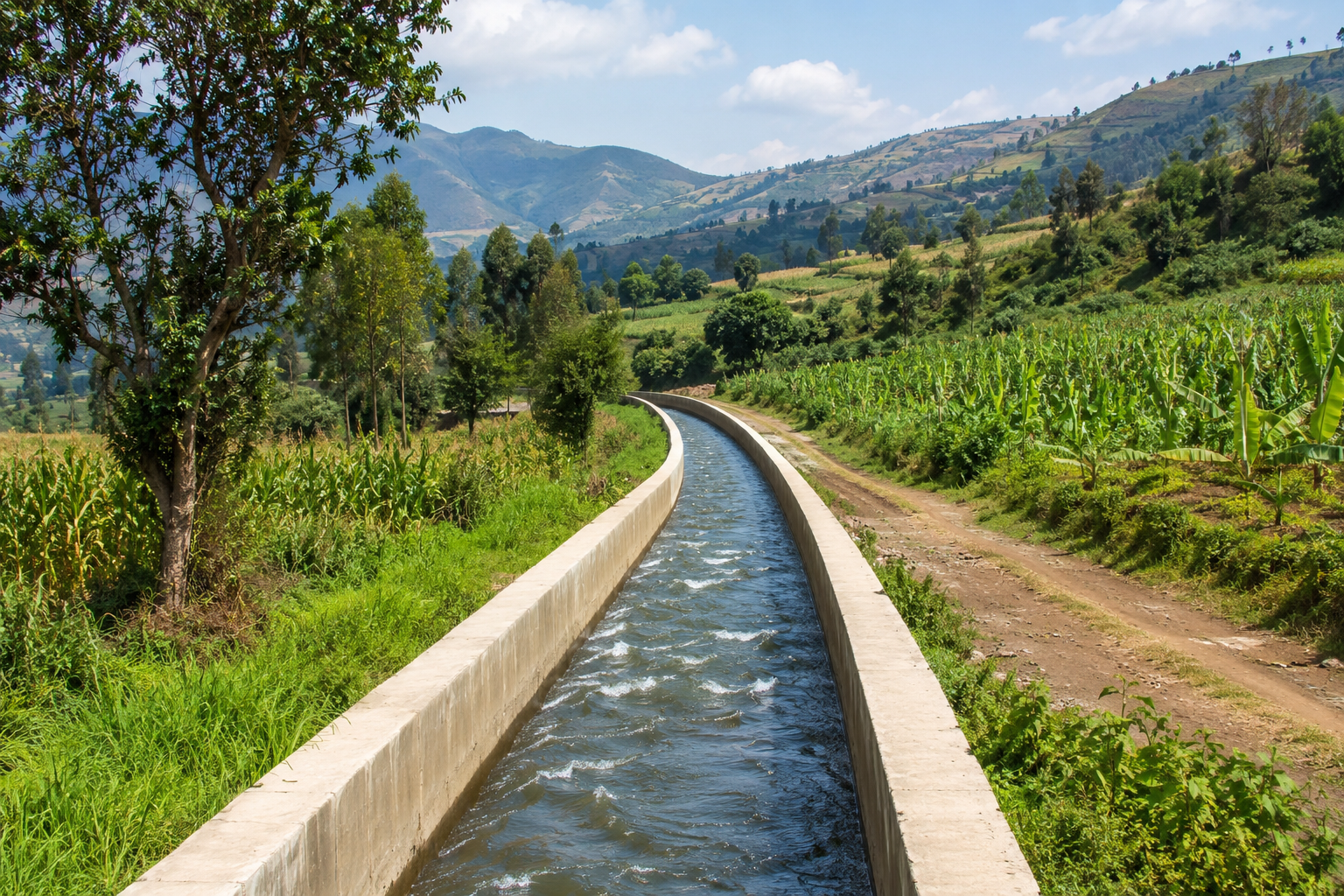
At its core, Tana-Beles is not only an irrigation project. It is a water–energy–food development corridor. The transfer of water from Lake Tana through the Tana-Beles hydropower system enables electricity generation and then provides downstream water that can be used for agricultural development in the Beles area. Research sources describe the Tana-Beles hydropower plant as a 460 MW project, with transferred water used downstream for irrigation.
Project Fact Box
- Project name: Tana-Beles / Ethiopian Irrigation Development Projects
- Country: Ethiopia
- Main basin: Blue Nile / Abbay Basin
- Key water bodies: Lake Tana and Beles River
- Project type: Multipurpose water-transfer, hydropower, irrigation, watershed, and agricultural-development corridor
- Main purpose: Hydropower generation, irrigation expansion, sugarcane production, food security, watershed protection, and regional development
- Important feature: Water transferred from Lake Tana to the Beles River system
- Associated development: Beles Sugar Development Project and broader irrigation-command development
- Strategic importance: One of Ethiopia’s most significant water-resource development corridors in the Upper Blue Nile region
Why Tana-Beles Is Important
Tana-Beles is important because it demonstrates how one water system can support several national development goals at the same time. Water storage and water transfer in the sub-basin support irrigation, hydropower, drinking water supply, fisheries, tourism, transportation, and livelihoods. This makes the region a highly strategic zone for Ethiopia’s development, but also one that requires careful management because every use of water affects another sector.
The Beles side of the system has been identified as a major irrigation-development area. Scientific and development sources describe the Beles sub-basin as an important zone for large-scale irrigation, agricultural expansion, and sugar-development planning. This gives the Tana-Beles corridor a national role in Ethiopia’s effort to use water resources for food security, rural employment, and industrial agricultural production.
Beles Sugar Development and Agricultural Transformation
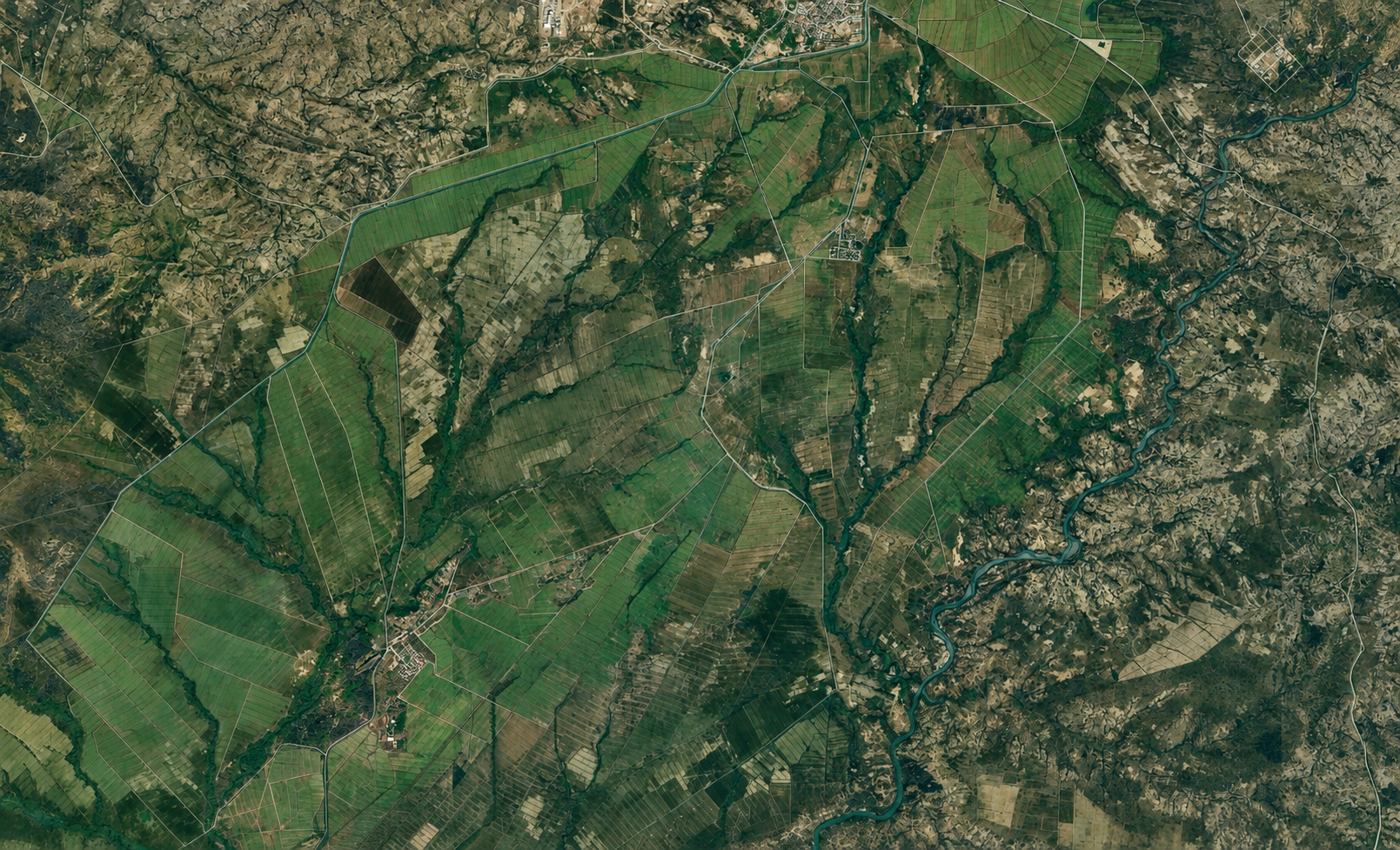
One of the most visible agricultural components of the Tana-Beles corridor is the Beles Sugar Development Project. The project has been described as a large state-led sugarcane plantation extending across the Amhara and Benishangul-Gumuz regions, irrigated with water from the Beles River, a tributary of the Blue Nile.
This makes Tana-Beles a strong example of how irrigation infrastructure can transform land use, employment, industrial agriculture, sugar production, and regional economies. However, such transformation must be accompanied by strong planning, fair land-management practices, environmental monitoring, and transparent community engagement.
Engineering and Water-Management Significance
From an engineering perspective, Tana-Beles is remarkable because it links natural storage, inter-basin transfer, hydropower, and irrigation development. Lake Tana acts as a major natural water-storage body, while the transfer system moves water toward the Beles River system. The water first supports energy generation and can then be used downstream for irrigation. This creates a valuable cascade of benefits from the same water resource.
The wider Tana-Beles sub-basin also includes natural and human-made storage systems, including Lake Tana, wetlands, floodplains, dams, small reservoirs, and irrigation-related infrastructure. Human-made storage such as the Koga and Ribb dams supports irrigation development in the wider Lake Tana basin. Together, these systems show how Ethiopia’s northwestern highlands are becoming a major center for integrated water-resource development.
Watershed Protection and Sustainability
The success of irrigation in Tana-Beles depends not only on canals, pumps, fields, and command areas. It also depends on the health of the watershed. The watershed activities included gully treatment, degraded hillside rehabilitation, soil and water conservation, small-scale irrigation, and community woodlot development — meaning the planting of managed tree areas to reduce erosion, protect the watershed, and provide local communities with fuelwood and construction wood without further degrading natural forests.
This watershed approach is important because irrigation systems cannot remain productive if upstream land degradation, erosion, sedimentation, and water-quality decline are ignored. In large irrigation corridors, watershed management is part of the engineering system itself. Without upstream protection, canals, reservoirs, pumps, and agricultural fields can all be affected by sedimentation and unstable water flows.
Challenges and Lessons
The Tana-Beles corridor also shows the complexity of large water-development projects. Water abstraction for irrigation and changes in river-flow regimes can affect ecosystems, fish movement, wetlands, tourism, and downstream livelihoods. For example, changes in Lake Tana outflows may influence the Tis Abay waterfall and the wider ecological balance of the sub-basin.
A major lesson from Tana-Beles is that large irrigation and water-transfer projects should not be viewed only as construction works. They are long-term water-governance systems. Their success depends on balancing irrigation expansion, hydropower production, ecosystem protection, local livelihoods, watershed conservation, and equitable regional development.
Why This Project Matters for Africa
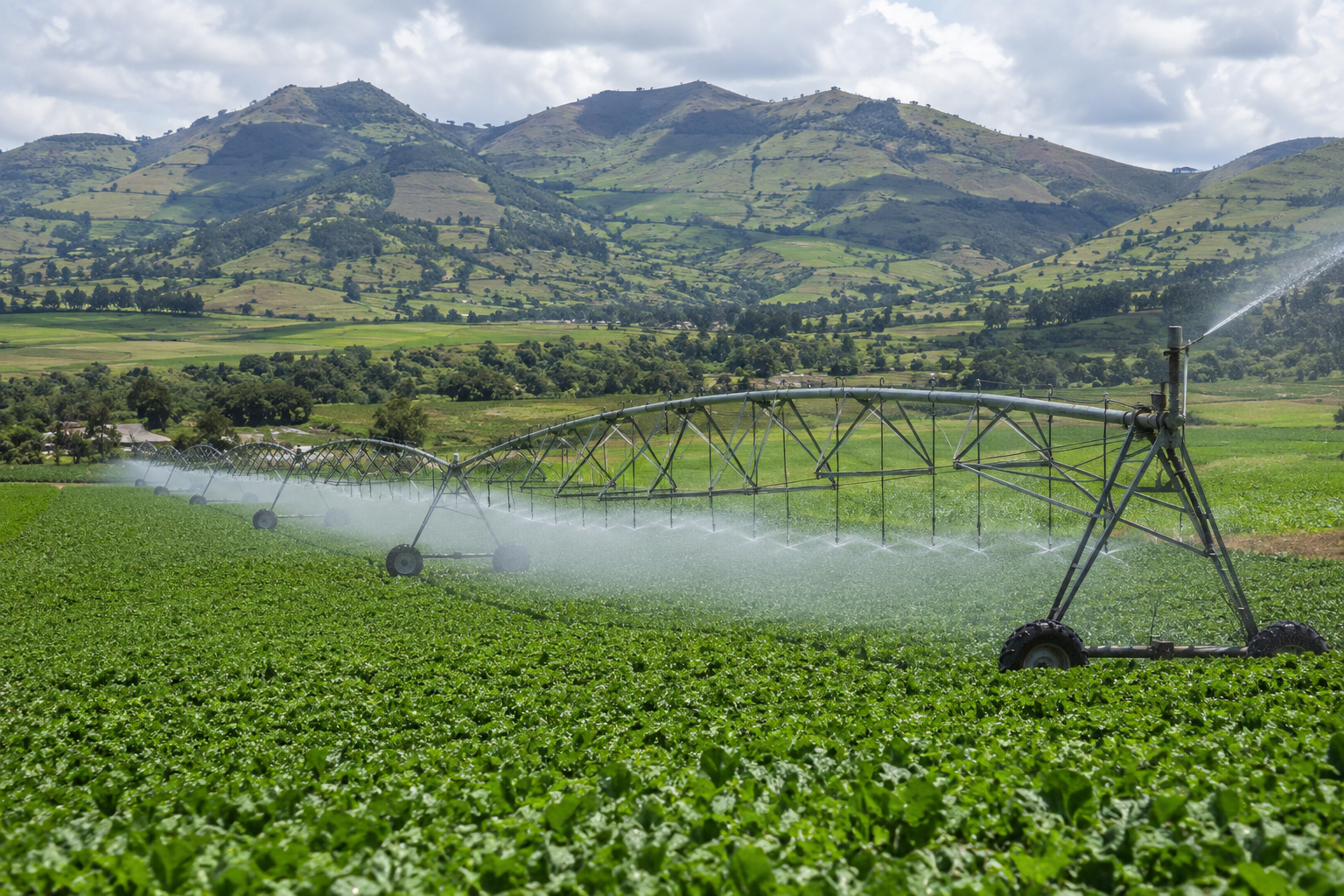
Tana-Beles is one of Africa’s important examples of integrated water-resource development. It shows how a country can use water infrastructure to connect electricity, agriculture, industry, and regional transformation. For Ethiopia, it represents a strategic effort to turn water potential into food production, employment, energy, and economic growth.
For Africa as a whole, the project teaches that irrigation development must be planned together with watershed protection, ecosystem health, social safeguards, and long-term water-storage management. Large irrigation systems can support national development, but they require intelligent operation, transparent governance, and respect for both people and nature.
Sources
Official references used for this article.
Comments
Comments are reviewed by AquaLinked Media before public display. If your email matches an approved AquaLinked expert profile, your comment may appear with your expert profile link after approval.
No approved comments yet. Be the first to contribute respectfully.
No password is needed. Enter the email connected to your expert profile, and the system will check whether your expert profile exists.
Please login or register before commenting.