Professional Summary
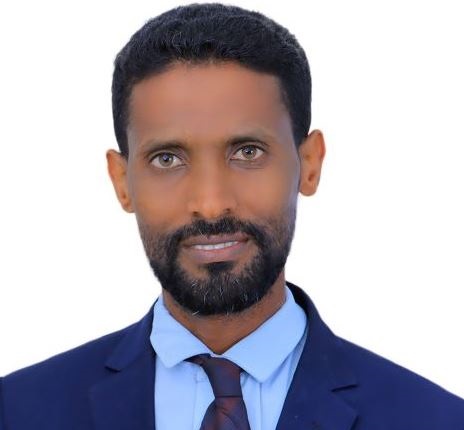
Dr. Amanuel Abate Ararssa is an Ethiopian water resources engineering and management specialist, Assistant Professor at the University of Gondar, and Founder and President of the Water Resources Professional Association.
His professional identity is powerful because it combines water science, policy contribution, academic leadership, capacity building, professional association development, research publication, and practical engagement with national water-sector needs. He is not only a university academic; he is also a sector organizer, trainer, policy contributor, and water resources leader working to strengthen professional capacity in Ethiopia and across Africa.
He holds a PhD in Water Engineering and Management from Addis Ababa University, an MSc in Watershed Management from Jimma University, and a BSc in Natural Resources Management from Jimma University. He also completed a research fellowship at the University of Twente in the Netherlands, a Higher Diploma Program in teaching methods at the University of Gondar, and environmental management training through ITEC in India.
At the University of Gondar, he serves as Assistant Professor in Water Resources Engineering and Management, teaching, supervising postgraduate research, securing grants, publishing scientific work, and strengthening academic programs in water management, climate adaptation, GIS, remote sensing, and sustainable agricultural water systems.
As Founder and President of the Water Resources Professional Association, he has taken an important national leadership role by building a platform for professional development, knowledge exchange, capacity building, advocacy, training, and stronger connection among water professionals, universities, government institutions, and development actors.
His contribution to the National Irrigation Roadmap of Ethiopia, irrigation and water harvesting curriculum development, IWRM policy review, water governance analysis, and professional training in WaPOR, GIS, AquaCrop, hydrological modelling, and irrigation performance makes him highly relevant to national water planning and institutional strengthening.
His research contribution is especially important for the Nile Basin and Ethiopian agricultural systems. He has worked on water footprint, virtual water trade, sustainable water allocation, blue water saving, deficit irrigation, mulching, agricultural water productivity, land-use change, soil erosion, climate adaptation, and transboundary water policy.
Dr. Amanuel brings strong value to AquaLinked / Water for Africa Experts because he represents a new generation of African water leaders: technically trained, policy-aware, institution-building, research-active, and committed to strengthening water governance, climate resilience, agricultural productivity, and professional capacity across Africa.
Expertise
Specialties
Projects & Contributions
-
Founder and President – Water Resources Professional Association
Founded and leads the Water Resources Professional Association, establishing strategic vision, governance structure, operational planning, capacity-building programs, workshops, advocacy activities, and partnerships with academic, government and NGO actors. This contribution strengthens professional networking, knowledge exchange, standards development, and national water-sector capacity. -
Assistant Professor in Water Resources Engineering and Management – University of Gondar
Serves as Assistant Professor at the University of Gondar, teaching water management and environmental courses, developing curricula, conducting research, supervising postgraduate students, securing grants, and strengthening academic capacity in water management, climate adaptation, GIS, remote sensing, and sustainable agricultural water systems. -
Contribution to the National Irrigation Roadmap of Ethiopia
Contributed to the preparation of the National Irrigation Roadmap of Ethiopia in collaboration with universities, government institutions, and policy actors. His contribution supported strategic irrigation planning, capacity building, water governance, and evidence-based development of the national irrigation sector. -
University of Twente Research Fellowship – Netherlands
Participated in international research collaboration through a fellowship at the University of Twente in the Netherlands, focusing on water resources management, environmental sustainability, water footprint, virtual water trade, and policy-relevant water allocation research. -
Water Footprint, Virtual Water Trade and Nile Basin Policy Research
Conducted PhD and postdoctoral-level research on sustainable irrigation water use, water footprint, virtual water trade, blue water saving, and transboundary water policy in the Nile Basin. This work supports evidence-based dialogue on water allocation, agricultural water productivity, and hydro-diplomacy. -
Blue Water Saving and AquaCrop-OS Modelling in the Nile Basin
Published research on optimizing water conservation and crop yield by evaluating the blue water saving potential of deficit irrigation and mulching using AquaCrop-OS in the Nile Basin. This work links crop modelling, irrigation management, climate resilience, and practical water-saving strategies. -
Deficit Irrigation and Mulching for Water Footprint Reduction
Contributed to research on the effects of deficit irrigation and mulching on the water footprint of maize production in the Koga Irrigation Scheme, Ethiopia, supporting improved irrigation efficiency, crop water productivity, and sustainable agricultural water management. -
Irrigation Management, Barley Yield and Water Productivity in the Upper Blue Nile Basin
Published research on the effects of irrigation management on barley yield and water productivity in the Upper Blue Nile Basin, with a case study in northern Gondar. This contribution supports farmer-oriented irrigation planning and improved crop-water productivity. -
Climate Change Adaptation and Smallholder Farmer Response Research
Contributed to research on climate change perceptions and adaptation responses among smallholder farmers across locations in the Megech Watershed, Ethiopia. This work supports climate services, farmer resilience, and adaptation planning in agricultural landscapes. -
Land-Use Change, Soil Properties and Watershed Sustainability Research
Contributed to research on land-use change, soil depth, physico-chemical soil properties, and agricultural productivity, including studies in Fagita Lekoma and Nadda Asendabo watersheds. This work strengthens understanding of land and water degradation, watershed management, and soil-water sustainability. -
Hydrological and Climate Modelling for Water Resources Planning
Conducted scenario-based water resources modelling addressing climate change, land-use dynamics, soil erosion impacts, water availability, and agricultural productivity. His modelling work uses tools such as SWAT, R, Python, AquaCrop, CropWat, GIS, remote sensing, SPSS, and Kobo to support evidence-based decision-making. -
Professional Training in WaPOR, GIS, AquaCrop and Water Management Tools
Delivered national and regional professional training programs for government experts, university staff, MSc students, and development practitioners on WaPOR database, GIS, AquaCrop, hydrological models, irrigation performance, and efficient agricultural water management. -
Standardized Curriculum and Training Module Development
Developed and standardized academic and professional training modules on irrigation and water harvesting that have been adopted across multiple Ethiopian universities, contributing to the training of mid-career professionals and strengthening national water-sector education. -
Donor-Funded Research, Grant Leadership and Institutional Strengthening
Secured and managed national and international grants for research and capacity-building programs. His work includes project design, donor-funded implementation, stakeholder coordination, technical reporting, institutional strengthening, and alignment of training frameworks with national policy priorities. -
Community Development and Resilience through PSNP Coordination
Coordinated Productive Safety Net Programme activities at district level, including beneficiary targeting, activity implementation, needs assessment, training in agriculture, financial literacy and entrepreneurship, and multi-stakeholder reporting to support food security, livelihoods, and community resilience. -
Academic Leadership and Department Head Experience
Served as Lecturer and Department Head of Natural Resource Management, providing academic and administrative leadership, curriculum review, staff coordination, resource management, community service coordination, and practical linkage between university training and development challenges. -
Researcher in Sustainable Dryland Technologies – Amhara Region Agricultural Research Institute
Worked as a researcher at Amhara Region Agricultural Research Institute, planning and conducting natural resources management research, designing field demonstrations, applying modelling studies, collecting and analysing agricultural data, preparing technical reports, and training extension workers and farmers. -
National and International Conference Contribution
Presented more than 15 research findings at national and international conferences focused on sustainable water resources development, agricultural water management, climate impacts, hydro-diplomacy, and evidence-based water policy. -
Peer-Reviewed Publications in Water, Climate and Agricultural Systems
Published 11 peer-reviewed articles on blue water saving, water footprint reduction, virtual water trade, irrigation management, crop water productivity, climate adaptation, land-use change, soil properties, vegetation change, and sustainable water allocation in Ethiopia, the Nile Basin and wider climate-sensitive agricultural systems. -
Future Contribution: African Water Policy, Climate Resilience and Agricultural Water Productivity
Aims to advance sustainable water management, climate resilience, agricultural water productivity, transboundary water cooperation, interdisciplinary research, water policy development, capacity building, and innovative water-management technologies that strengthen institutions and community resilience across Africa.