Flush valve
View the book, technical guide, training material, or water technology item in detail.
Move the mouse over the product image. A zoom preview will appear beside the product. Click the image to open it full size.
water-technology
Flush valve
Category: Drip Irrigation Components
Price on request
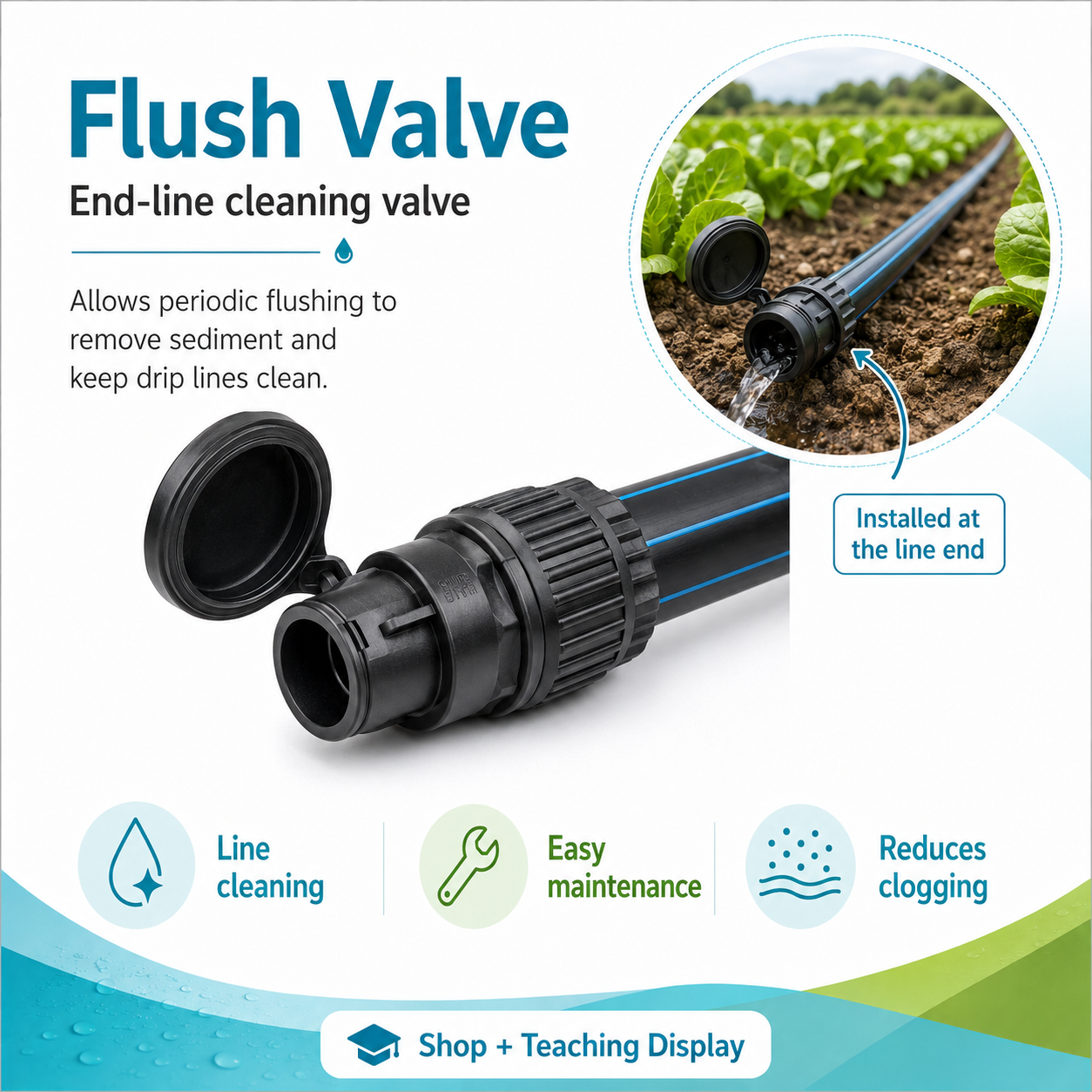
A flush valve is an end-line irrigation component used to remove dirt, sand, and sediment from drip lines and submain pipelines. It helps maintain clean water flow, reduces clogging of emitters, and improves the overall efficiency and lifespan of the irrigation system.
Product Description
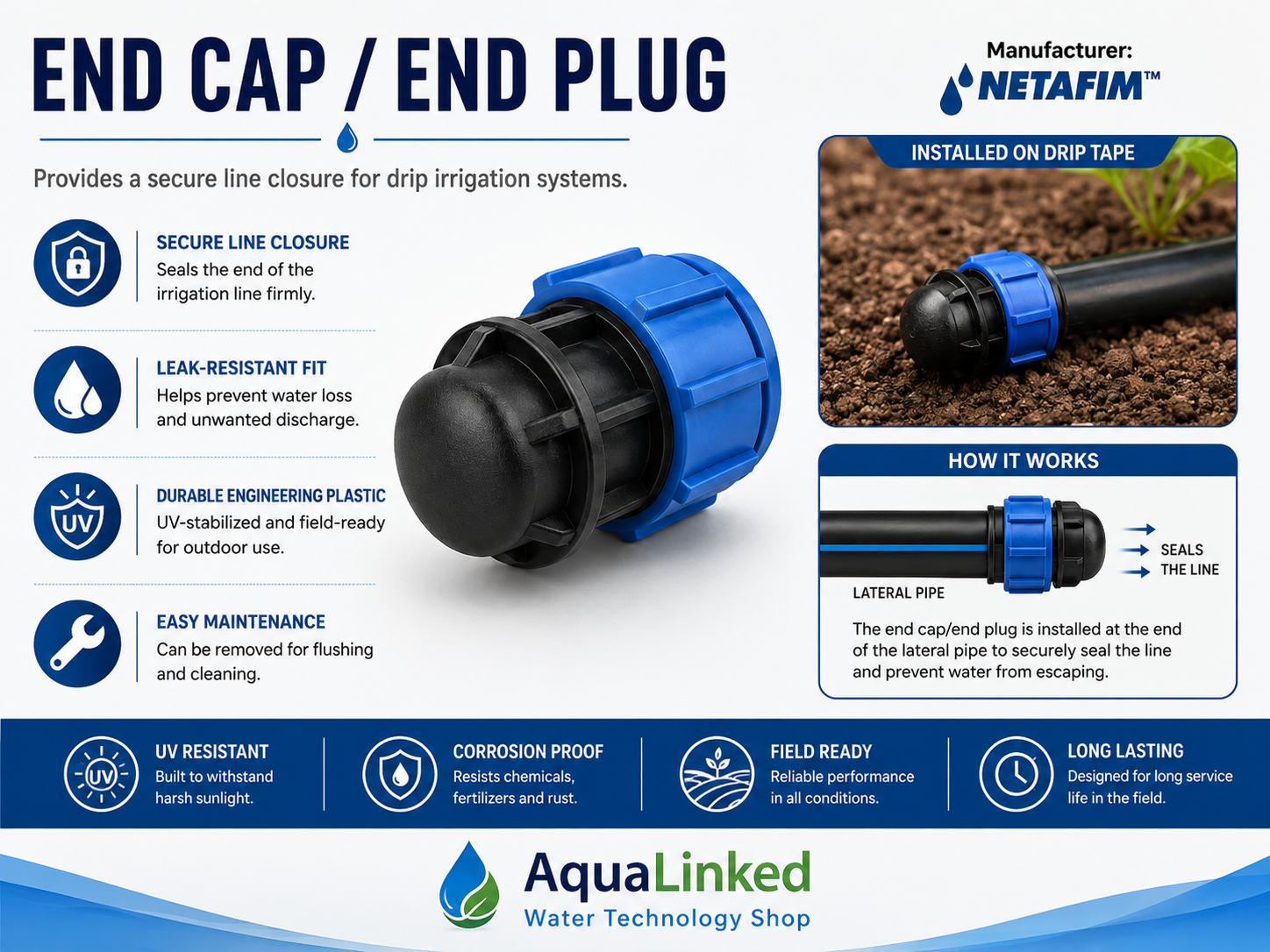
A flush valve is an essential end-line component used in drip irrigation and micro-irrigation systems to remove accumulated dirt, sand, and sediment from pipelines. It is typically installed at the end of drip lines or submain pipes, where water velocity naturally decreases and particles tend to settle over time.
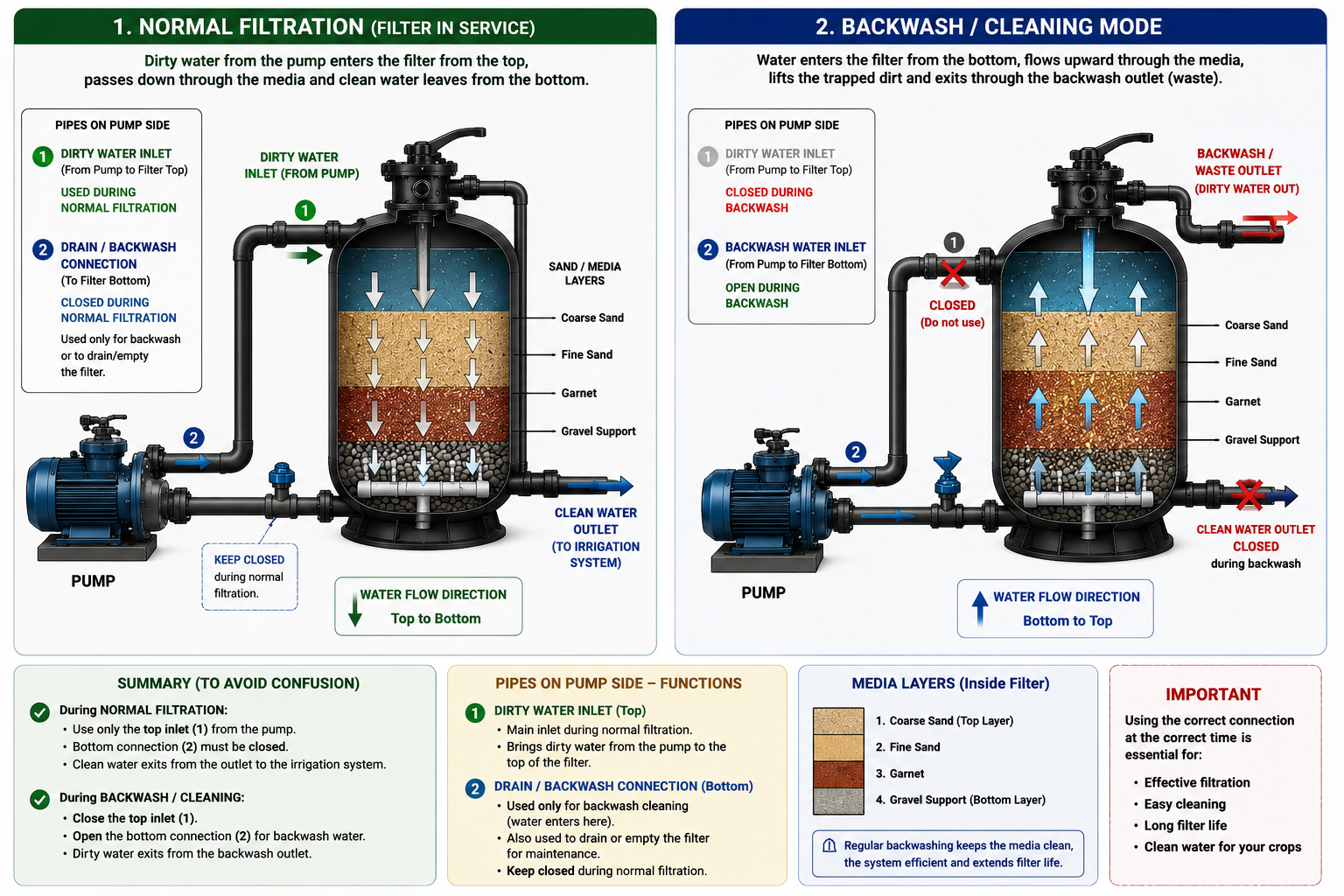
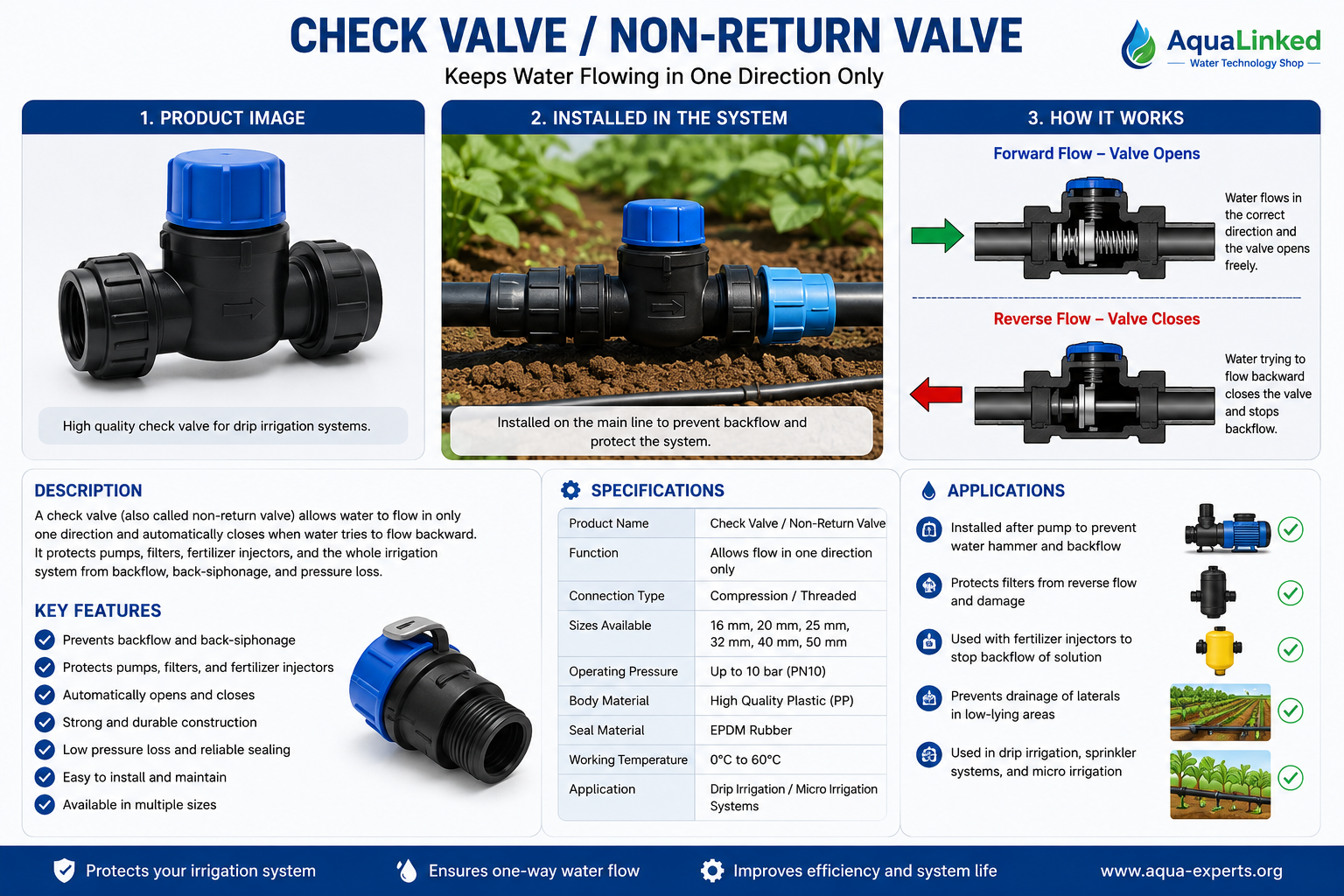
During normal operation, the flush valve remains closed, allowing water to flow through the irrigation system and reach emitters or drip points. When the valve is opened manually or automatically, a high-velocity flow is created at the end of the line, which forces out trapped debris and sediments. This flushing action helps maintain clean internal pipe conditions and ensures uniform water distribution across the system.
Flush valves play a critical role in preventing emitter clogging, which is one of the most common problems in drip irrigation systems. By regularly flushing the system, farmers can significantly improve irrigation efficiency, reduce maintenance costs, and extend the operational life of drip lines, filters, and emitters.
These valves are commonly used in agricultural fields, greenhouses, orchards, nurseries, and landscaping irrigation systems. They are especially important in systems that use surface water, canal water, or any source that may contain suspended particles.
Flush valves are typically made from UV-resistant engineering plastic and are designed to withstand outdoor conditions and low-to-moderate irrigation pressures. They are simple to operate, easy to install, and require minimal maintenance.
Before installation, users should confirm key specifications such as connection type, pipe compatibility, pressure rating, material grade, and installation position to ensure optimal system performance.
Availability, Delivery and Support
For special delivery, bulk purchase, technical support, or supplier confirmation, visitors can send an inquiry before purchase.
Ask About AvailabilityCustomer Reviews
Customer Reviews
Reviews are published after admin approval.